Many of our medicines today come from plants. You may wonder whether the plants in the Bible are being used today to create effective drugs. And this is what this post is all about. Let’s explore the Biblical plants that you can plant in your garden and someday, you may harvest them for medical benefits.
It’s important to note that the Bible mentions a general term for herbs, trees, and other vegetation. This term often highlights the plant’s role in providing healing and sustenance.
Quick Assessment
Why does your prayer life keep falling flat?
It's usually one of four things — and each one needs a completely different strategy to break through. This 2-minute assessment tells you exactly which pattern is blocking you.
Furthermore, archaeological evidence, including medical cuneiform texts from ancient Mesopotamia and clay tablets, indicates that the plants mentioned below were used for remedies long before modern pharmacology.
The Old and New Testaments contain various references to plants with potential medicinal uses. For instance, the fig leaves used by Adam and Eve in Genesis 3:7 represent the first attempt at clothing. However, they also hint at the practical use of plants for human needs.
Free Resource
Get Your FREE Prayer Guide Now
and join the Daily Way Devotional: Join 25,000+ Subscribers
The prophet Elijah was sustained by food under a juniper tree as revealed in 1 Kings 19:4-8.
Aloe was used alongside myrrh in John 19:39, and it was used to prepare the body of Jesus for burial.
These examples show that the flora of the bible held spiritual and physical significance.
Modern studies, like the ones published by Skyhorse Publishing, continue to study the botanical identification of these plants. The reason for this is to validate their medical uses.
Now, let’s start listing the plants in the Bible that come with medicinal significance.
Aloe vera is mentioned in John 19:39. It’s part of the mixture of myrrh used by Nicodemus to prepare the body of Jesus for burial.
This scriptural reference highlights aloe’s symbolic association with respect, care, and preparation for eternal rest. Its use in burial rituals reflects the ancient recognition of its preservative and aromatic qualities, even in solemn moments of life.
Medicinal Uses
Aloe vera is often called the plant of immortality. It has been celebrated for its healing properties since ancient times. It’s native to arid regions and widely used in the Middle East and Africa because of its versatility and efficacy.
Healing Wounds
The gel is extracted from the leaves of this plant. This gel contains compounds such as glucomannans and gibberellins. They all promote cell growth and regeneration.
Ancient civilizations, like the Egyptians, used it to treat cuts and abrasions. Modern studies confirmed that this plant accelerates wound healing through collagen synthesis and it also reduces inflammation.
Aloe vera is also one of the most effective natural remedies for burns, including sunburn. Its cooling effect, coupled with anti-inflammatory properties, makes it a go-to solution for soothing irritated skin.
The gel creates a protective layer over the burn. It reduces the risk of infection while promoting healing.
Skincare
Aloe is one of the plants in the Bible that comes with hydrating and soothing qualities. It’s a staple in modern skincare. It has antioxidants that can help in combatting signs of aging. It can also reduce acne while alleviating skin conditions, like psoriasis and eczema.
Biblical references to aloe may not focus solely on its medicinal uses. Rather, the plant’s enduring role in skincare illustrates its practical value across generations.
2.) Hyssop
It’s referenced several times in the Bible. But the most notable was in Exodus 12:22. Then, you can read its properties in Psalm 51:7.
In Exodus, this plant’s branches were used to apply lamb’s blood to doorposts during the Passover. It symbolizes purification and protection.
Then, in Psalm 51:7, David pleads – “Cleanse me with hyssop, and I will be clean.” It associates this plant with spiritual purification and renewal.
Today, this fragrant herb native to the Mediterranean and Middle East is used for its antiseptic properties.
Hyssop has natural antimicrobial and antiseptic qualities that can be valuable for treating wounds and preventing infections. In ancient times, its leaves and flowers were used to create infusions and poultices for cleaning wounds.
In fact, the Passover ritual involved hyssop branches. It hints that hyssop isn’t just for spiritual cleansing but it’s also a tool for practical sanitation.
Respiratory Aid
This is one of the plants in the Bible that can be used as a remedy for respiratory ailments, including bronchitis, asthma, and coughs. Its essential oil contains compounds, like pinocamphone and cineole.
Its essential oils help clear mucus and soothe irritated airways. Inhaling steam infused with hyssop or drinking hyssop tea were common remedies in traditional medicines.
Symbol of Purification
Indeed, its medicinal uses are significant. However, hyssop’s symbolic role in the Bible underscores its importance. As a purifier in rituals and a metaphor for spiritual renewal, this plant bridges the physical and spiritual realms.
Today, it’s being used for aromatherapy.
3.) Frankincense
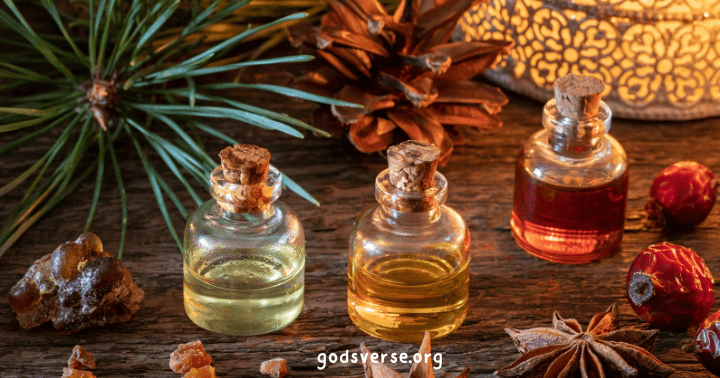
It’s a resin derived from the Boswellia tree. This plant is mentioned frequently in the Bible. For instance, frankincense is highlighted in Exodus 30:34 as a component of sacred incense used in the Tabernacle.
Then, in the New Testament, Matthew 2:11 describes it as one of the gifts presented by the Wise Men to Jesus. It symbolizes His priestly role and divine nature.
For thousands of years, this plant has been prized for its therapeutic properties. Its resin and essential oil are rich in compounds, like boswellic acids. These acids contribute to the plant’s anti-inflammatory, antimicrobial, and aromatic qualities.
Reducing Inflammation
One of the most significant medical benefits of this plant is its ability to reduce inflammation. It’s been used to treat conditions such as asthma and inflammatory bowel disease. Modern studies showed that boswellic acids inhibit inflammatory pathways. They offer a natural alternative to synthetic medications.
You can also use this plant to relieve stress. It has a soothing aroma making it a popular choice for reducing stress and promoting relaxation. In aromatherapy, its essential oil is used to calm the mind, enhance focus, and alleviate symptoms of anxiety.
In biblical times, its use in sacred rituals likely served a similar purpose. It also helps worshippers focus and feel a sense of peace.
Beyond its medical properties, however, this plant’s role in biblical rituals underscores its cultural and spiritual significance. The burning of this plant in temples and during worship was said to symbolize prayers rising to God.
Its use as a gift for Jesus reflects its esteemed status in the ancient world.
4.) Myrrh
It’s a resin derived from the Commiphora myrrha tree. Myrrh is mentioned prominently in both the Old and New Testaments.
In Mark 15:23, it is mixed with wine and offered to Jesus on the cross as a pain-relieving drink.
Then, in Song of Songs 5:5, it symbolizes love and anointing, as the bride mentions her hands dripping with myrrh. It’s a metaphor for richness and intimacy.
This plant was also used for embalming, as seen in the preparation of Jesus’s body for burial. This reflects its role in ancient times as a symbol of respect and reverence for the deceased.
Myrrh’s therapeutic properties were well-known in biblical times. And its use extended far beyond ceremonial rituals. Its resin contains bioactive compounds with antimicrobial, anti-inflammatory, and pain-relieving properties.
The resin of myrrh was often used to heal or mitigate pain. This is one of the reasons it was offered to Jesus. In ancient Mesopotamia, medical cuneiform texts document its application as an analgesic. Modern studies have since confirmed its ability to modulate pain pathways through the active compound boswellic acid.
Wound Healing
Another quality of myrrh is its ability to treat wounds and prevent infections. The ancient Egyptians frequently employed it in balms and poultices to speed up healing.
Its use as an embalming agent further underscores its antibacterial qualities. It could help preserve the body in ancient times.
Myrrh is also used as an anointing oil and incense. It was believed to connect people to the divine. Its inclusion in the gifts brought by the Wise Men to the infant Jesus highlights its sacred value.
Today, you can find essential oils of myrrh. They are used in aromatherapy for their calming and stress-relieving effects.
5.) Olive Tree
One of the plants in the Bible that’s native to the Middle East. It holds a place of deep symbolic and practical importance in the Bible.
James 5:15 wrote, “Is anyone among you sick? Let them call the elders of the church to pray over them and anoint them with oil in the name of the Lord.”
This passage highlights olive oil as a medium for divine healing and prayer. The tree is also a symbol of peace, prosperity, and endurance, featuring numerous biblical references.
Its oil has been used in medicine since ancient times. Modern studies supported its medicinal benefits. This is also one of the reasons it’s included in the Mediterranean diet.
Olive oil is rich in monosaturated fats and antioxidants. It promotes cardiovascular health. It also reduces LDL levels while increasing HDL. It protects against heart disease. Olive oil in biblical lands was an essential dietary component. It symbolizes vitality and wellness.
In ancient times, this oil was used to treat burns, cuts and dry skin. It has moisturizing and anti-inflammatory properties.
Because of its healing properties, it’s being included in many skincare products.
Sacred Anointing
In addition to its medical uses, olive oil has spiritual significance. It was used in anointing rituals for kings, priests, and prophets. This oil also symbolizes consecration and divine favor. Then, the Hebrew word for Messiah is Mashiach. It means “anointed one.” This further emphasizes the sacred role of this plant.
6.) Fig Tree
The fig tree is referenced frequently in the Bible. This tree in the biblical garden symbolizes prosperity, abundance, and judgment.
The prophet Isaiah in 2 Kings 20:7 instructs Hezekiah to apply a poultice of the fig fruit to his boil. It leads to healing. The tree is also mentioned in the teachings of Jesus, such as the parable of the barren fig tree. It underscores its role as a metaphor for fruitfulness and faith.
Since ancient times, figs have been valued for their health benefits. There’s no doubt about it as they are rich in fiber, vitamins, and minerals. That’s why they were a staple in the diets of people in the Holy Land.
The high fiber content of figs aids in digestion. It prevents constipation and promotes gut health. This aligns with their use in ancient Mesopotamia as a remedy for digestive disorders.
Furthermore, the application of fig poultices, as described in 2 Kings, illustrates their use in treating skin ailments. Modern research supports the anti-inflammatory and wound-healing properties of figs. They are attributed to their bioactive compounds.
Figs were also a critical food source in biblical times. They provide sustenance during scarcity. Their sweet, nutrient-rich fruit is often associated with the promised land. This is described in Deuteronomy 8:8 as a “land of wheat, barley, vines, fig trees, and pomegranates.”
7.) Mustard Seed
Even though the mustard seed is small, it still has a profound biblical symbol. For instance, in Matthew 17:20, Jesus tells His disciples:
“If you have faith as small as a mustard seed, you can say to this mountain, ‘Move from here to there,’ and it will move. Nothing will be impossible for you.”
This passage highlights the transformative power of faith, no matter how small. The mustard seed grows into a sprawling tree. It symbolizes the potential for greatness from humble beginnings. It’s also a recurring theme in both the Old Testament and New Testament.
The mustard seed may be small but it has many healing properties. Its uses are well noted in both traditional Chinese medicine and broader flora of the Bible. Thanks to its anti-inflammatory and digestive benefits.
As a digestive health aid, this seed stimulates the production of digestive enzymes. It can aid in food breakdown and absorption. In ancient Mesopotamia, the seed was used to treat indigestion and bloating. It’s one of the reasons it’s known for its gastrointestinal function.
Mustard seeds also contain compounds, like glucosinolates that can reduce inflammation in the body. These properties were used in biblical medicinal plants to alleviate swelling, pain, and respiratory issues. That’s why they’re used in poultices or compresses.
Furthermore, the warming properties of this seed promote blood flow. They were used in traditional Chinese medicine to address muscle stiffness and joint pain. This aligns with its practical use in both the Bible lands and ancient world.
8.) Pomegranate
The pomegranate is one of the seven species of plants in the Bible associated with the Promised Land. It was described in Deuteronomy 8:8, as mentioned earlier.
“A land with wheat and barley, vines, and fig trees, pomegranates, olive oil, and honey.”
Its numerous seeds make the pomegranate a symbol of fertility, prosperity, and abundance. In Solomon’s temple, pomegranate motifs adorned the pillars. It reflects its sacred and decorative significance.
The pomegranate has been revered for its health benefits in ancient times and modern studies supported it.
Furthermore, this plant contains a lot of antioxidants, specifically punicalagin and anthocyanins. They protect cells from oxidative stress. In biblical times, the fruit was prized for its restorative and nourishing qualities.
The juice has been shown to improve blood flow and reduce arterial plaque buildup to support cardiovascular health. These benefits made it a vital part of the Mediterranean diet. It’s also a valuable resource in biblical medicinal plants.
Its extracts are known to reduce inflammation. That’s why it’s an effective plant to treat several conditions, like arthritis and chronic pain.
The fruit’s seeds, numbering in the hundreds, symbolize fertility and renewal. Its association with life and abundance made it a fitting metaphor in biblical teachings.
9.) Cedar
The Cedar of Lebanon is referenced frequently in the Bible as a symbol of strength, longevity, and purity.
For instance, in Leviticus 14:4-6, cedar wood was used in cleansing rituals for individuals with leprosy.
“Then the priest shall command to take for him that is to be cleansed two birds alive and clean, and cedar wood, and scarlet, and hyssop.
The cedar’s towering presence and resilience made it a metaphor for the righteous, as seen in Psalm 92:12.
“The righteous shall flourish like the palm tree; he shall grow like a cedar in Lebanon.”
The Cedar of Lebanon was prized for its aromatic wood and resin. Its oil is a natural antimicrobial agent. It was used to preserve food, disinfect wounds, and a fumigant to purify homes.
Its fragrant oil was used to relieve stress and anxiety. In traditional Chinese medicine and the bible lands, it was burned as incense to create an atmosphere of peace and introspection.
Cedar’s natural resistance to decay made it invaluable for preserving the dead. Ancient Egyptian embalming rituals utilize this practice. Its aromatic oils also masked odors. Hence, a great component for burial preparations in biblical times.
The cedar tree represented resilience and divine protection. Its wood was used in the construction of Solomon’s Temple. It symbolizes permanence and sanctity.
10.) Wormwood
This is one of the plants in the Bible that often represents bitterness, judgment, and lamentation. The most vivid reference is found in Revelation 8:11.
“The name of the star is wormwood. A third of the waters turned bitter, and many people died from the waters that had become bitter.”
This passage portrays wormwood as a harbinger of calamity. It can be because of its bitter essence that symbolizes the consequences of divine judgment.
Elsewhere in scripture, wormwood is used metaphorically to describe moral decay and the bitterness of sin, as seen in Proverbs 5:4 and Lamentations 3:15.
Indeed, this is one of the plants in the bible that has ominous representation or symbolism. However, it has been used for centuries in traditional medicine for digestive and anti-parasitic properties.
As a digestive aid, this plant has a long history of gastrointestinal ailments. Its bitter compounds stimulate the production of digestive enzymes and bile. This improves digestion and reduces bloating.
In ancient times, wormwood was a key ingredient in tonics designed to treat indigestion and stomach pain.
This plant is also known for its ability to combat intestinal parasites. The herb contains compounds like thujoine that are toxic to many parasites. It makes it a common ingredient in traditional anti-parasitic remedies.
For immune support, this plant has anti-inflammatory effects that can further support you in fighting infections. It also reduces inflammation in the body.
This plant’s association with bitterness in the Bible underscores its dual nature as both a remedy and a symbol of suffering. This tension reflects the broader biblical theme of how challenges and trials can lead to purification and growth.
11.) Grapes
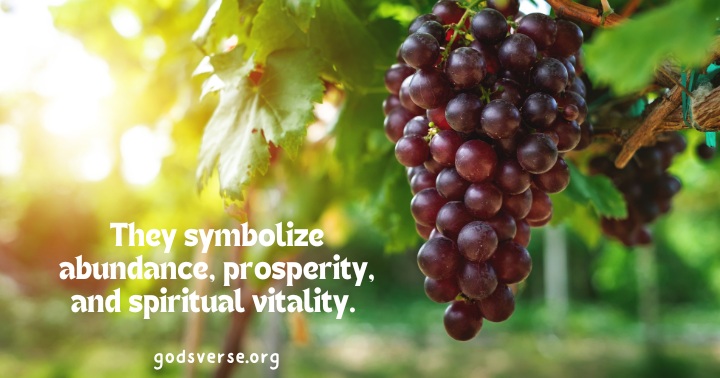
Grapes and vines are deeply embedded in the bible. They symbolize abundance, prosperity, and spiritual vitality.
For instance, in John 15: 1-5, Jesus declares:
“I am the true vine, and my Father is the gardener. He cuts off every branch in me that bears no fruit, while every branch that does bear fruit he prunes so that it will be even more fruitful.”
This metaphor emphasizes the believer’s connection to Christ as the source of spiritual life and fruitfulness. Grapes also represent joy and celebration, as seen in the use of wine during sacred rituals, such as the Passover meal and the Last Supper.
Medicinal Uses
The grapevine has been cultivated for thousands of years, not only for its fruit and wine but also for its numerous health benefits.
For instance, grapes are packed with powerful antioxidants that can protect cells from damage caused by free radicals. These antioxidants contribute to overall health and are linked to a reduced risk of chronic diseases.
Grapes also have heart-health benefits that are well documented. Resveratrol in grape skins can improve blood circulation, reduce bad cholesterol, and prevent arterial plaque buildup.
Furthermore, they contain anti-inflammatory compounds that can help reduce the risk of conditions, such as arthritis and diabetes. These properties make grapes a valuable food for modern diets.
Because they are high in water content and natural sugars, they can provide quick energy and hydration. These are all vital in biblical times, especially in the arid regions of the Holy Land.
In the Bible, the grapevine’s significance goes beyond physical sustenance. It symbolizes spiritual abundance, community, and the covenant between God and His people.
Spiritual and Practical Insights
These plants in the Bible carry profound spiritual and practical wisdom. The scriptural allusions to native plants like myrrh, olive oil, figs, mustard seed, and grapes offer theological insights. They remind us of the deep connection between humanity and creation.
These numerous plants were more than just medicinal resources in biblical times. They were also symbols of faith, life, and divine provision.
The plants mentioned in the Bible serve as metaphors that transcend their physical properties. For instance, the mustard seed symbolizes faith while illustrating how even the smallest amount can yield immense spiritual growth.
In reflection on these plants in the bible, we see a profound invitation to reconnect with creation. Let’s all appreciate the divine wisdom embedded in it. Their symbolism urges us to deepen our spiritual walk, while their practical uses remind us of the benefits of natural remedies in today’s world.
Jane is a Roman Catholic on a journey of re-learning about God and deepening her understanding of the Bible. She has over a decade of experience as a copywriter. Her goal is to blend her passion for writing with her spiritual journey. She writes content that doesn’t just uplift but also connects with people who wish to seek a deeper understanding of God’s word. Follow Jane on LinkedIn or Instagram.