In this post we will share the best Ten Commandments Sunday School Lesson. Teaching the Ten Commandments can be a fun and meaningful experience for children, as they learn about God’s loving rules designed to guide us in living a good life. This lesson introduces the Ten Commandments in a hands-on, interactive way that brings the story of Moses on Mt. Sinai to life. Through creative activities like games, crafts, and simple memory motions, kids will discover how God’s commandments help us love Him and love others. Whether it’s through crafting their own “mini book” of commandments, exploring “road rules” as a metaphor, or acting out each commandment with finger motions, this lesson provides exciting ways to help young minds understand and remember God’s good rules. Let’s dive into this fun and faith-filled journey through the Ten Commandments!
Title: The Ten Commandments – God’s Good Rules for Us
Objective:
To help children understand the Ten Commandments as a set of loving rules given by God to guide us in loving Him and others. By the end of the lesson, children will recognize that these commandments are not just rules but gifts that lead us to a good and joyful life in God.
1. Opening Activity: “Why Do We Have Rules?” (10 minutes)
Discussion: Begin by asking the children:
“What are some rules you have at home or school?”
“Why are these rules important?”
“How do rules keep us safe or help us get along?”
Explanation: Transition to explain that today, we’ll learn about God’s rules for us. Just like at home or school, God gave rules to the people of Israel so they could live well together and have a close relationship with Him. These rules are called the Ten Commandments.
Game: To illustrate the importance of rules, play a simple board game together, focusing on how following the rules makes the game enjoyable and fair for everyone. Explain that God’s commands work similarly—they help us live in harmony with God and others.
2. Bible Story: The Ten Commandments on Mt. Sinai (10 minutes) – Ten Commandments Sunday School Lesson
Setting the Scene: Share the story of Moses climbing Mt. Sinai to receive the commandments. Explain that God’s people, the Israelites, were in the desert on their way to the Promised Land. They were chosen by God, but they needed His guidance to live as His people.
Key Moments:
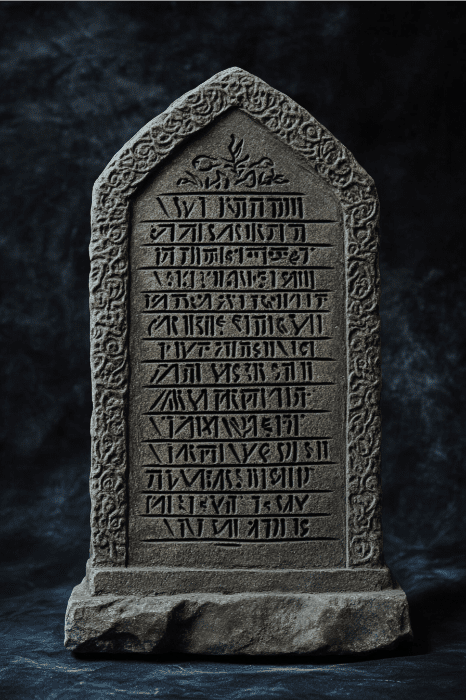
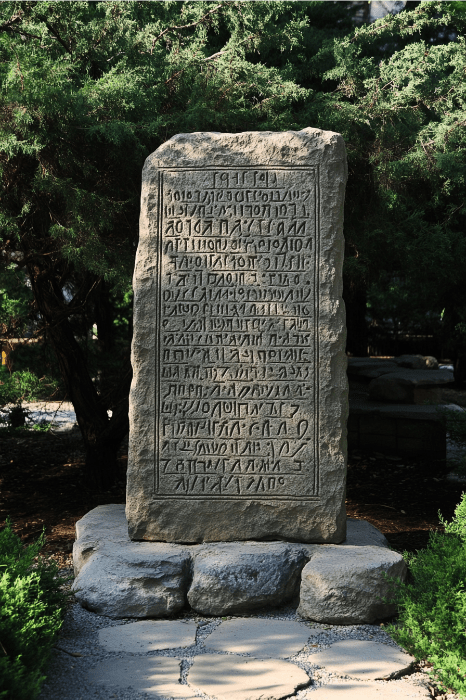
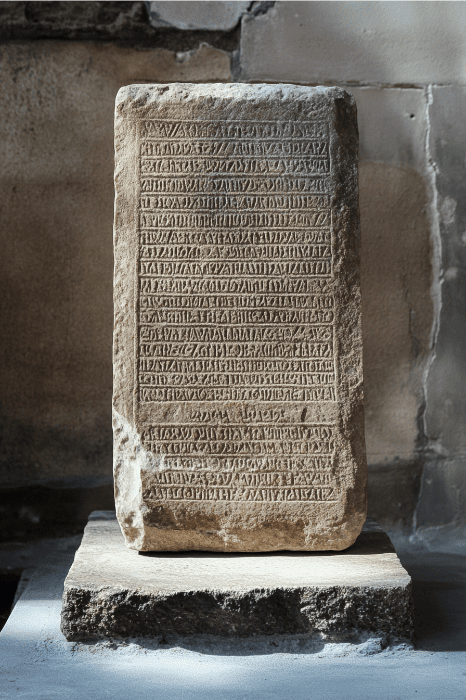
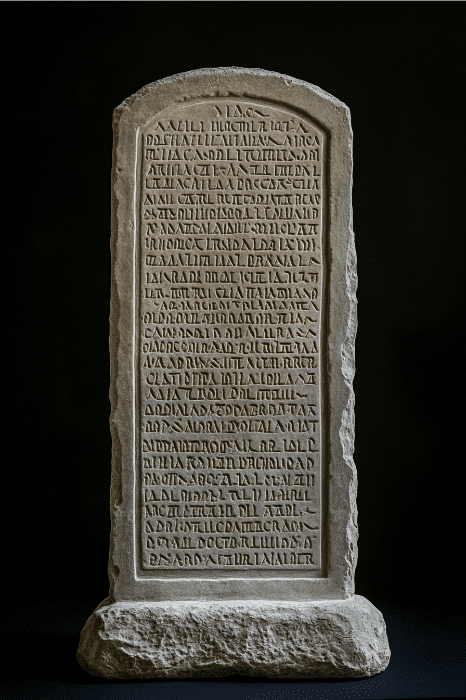
Describe how Moses went up the mountain to meet God and how God gave him the Ten Commandments on tablets of stone. Emphasize the drama of the scene with clouds and a loud trumpet sound.
Explain that God gave these commands to show His people how to love Him and love others. Each commandment has a special meaning and purpose.
Visual Aid: Use visuals of Moses on Mt. Sinai surrounded by clouds made of cotton balls to help children visualize the story. This helps create a memorable image of the event.
3. Explanation of Each Commandment (20 minutes) – Ten Commandments Sunday School Lesson
Teach Each Commandment: Share each commandment in simple, child-friendly language:
Put God first – Love God more than anything.
No idols – Worship only God, no other things or people.
Respect God’s name – Use God’s name with love and respect.
Remember the Sabbath day – Take time to rest and think about God.
Honor your parents – Love and respect your family.
Do not harm others – Treat others with kindness.
Be faithful in marriage – Keep promises in relationships.
Do not steal – Respect other people’s things.
Be truthful – Tell the truth and avoid lies.
Do not envy – Be content with what you have.
Interactive Discussion: After explaining each commandment, give real-life examples and ask the children how they might follow these commandments in their own lives. For example, “How can we put God first in our day?” or “How can we respect our family?”
4. Group Activity: Finger Motions for Memorization (15 minutes)
Teach simple finger motions to help children remember each commandment. For example:
Commandment 1: One finger pointing up – “Put God first.”
Commandment 2: Two fingers making an “X” – “No idols.”
Commandment 3: Three fingers over lips – “Respect God’s name.”
Commandment 4: Four fingers resting – “Remember the Sabbath.”
This is a fun way to help children remember each rule. Encourage them to practice each finger motion a few times.
5. Craft Activity: Make a Ten Commandments Mini Book (15 minutes)
Instructions:
Give each child a folded piece of construction paper to create a mini book.
Write a simplified commandment on each page, using black markers or crayons, and let the children decorate each commandment with drawings.
Use coloring pages for each commandment as a supplement. Children can color in each page, cut it out, and paste it into their mini book.
Take-Home Message: Explain that they can keep this mini book at home as a reminder of God’s good rules. Encourage them to share it with their family and talk about how they can follow these commandments daily.
6. Group Review Activity: Commandments Road Rules Game (10 minutes) – Ten Commandments Sunday School Lesson
Game: Set up a pretend “road” with markers, and have kids act as “drivers.” Introduce each commandment as a road rule for life. For example:
“If you follow God’s road rules, you stay safe.”
“When we honor our parents, it’s like stopping at a red light to respect others.”
This hands-on activity reinforces the commandments as guidelines for a good life and helps children remember that following God’s commands is like following road rules to stay on the right path.
7. Closing Discussion and Reflection (5 minutes)
Discuss that while it may not always be easy to follow these commandments, God’s love and guidance help us every step of the way.
Explain that Jesus later summarized these commandments into two greatest commandments: Love God with all your heart, and love others as yourself.
Bottom Line: God’s commandments are a gift of love, showing us the best way to live.
8. Closing Prayer
Lead the children in a simple prayer:
“Dear God, thank You for giving us these good rules. Help us to remember and follow them every day. Show us how to love You and love others as Jesus taught us. Amen.”
Additional Activities and Games
Commandments Coloring Pages: Give children coloring pages of each commandment with simple images to represent each rule. Let them color and add their own drawings.
Build a Commandments Tablet: Using construction paper, have children create tablets with the commandments. Use black markers for the writing and glue on small cotton balls to represent clouds around Mt. Sinai.
Interactive “Name of God” Activity: Explain the importance of the name of God by showing reverence for His name. Discuss what it means to speak respectfully and thoughtfully.
Road Rules Matching Game: Use toy cars and set up a “road rules” game where children match commandments to different “road signs.” For instance, “Stop” for honoring parents, or “Yield” for respecting God’s name.
Group Reflection: End with a circle discussion, asking each child which commandment they found most interesting or helpful and how they might follow it.
Commandment Charades: Divide the children into pairs or small groups, and assign each group a commandment. Each group has to act out their commandment without words, while the others try to guess which one it is. This game encourages kids to think about the meaning of each commandment and come up with creative ways to act them out.
Ten Commandments Hopscotch: Create a hopscotch grid with each square labeled with one of the commandments in simplified wording (e.g., “Respect God’s Name” or “Honor Parents”). Kids take turns hopping through the squares, reciting each commandment as they land on it. This active game helps with memorization while allowing kids to burn off some energy.
Conclusion
The Ten Commandments are more than a set of ancient rules; they are God’s way of showing us how to live a good life filled with love for Him and others. As we learn about these commandments, we see God’s love and guidance in every rule. These activities, discussions, and crafts help children engage with each commandment in a memorable and meaningful way. May these lessons inspire each child to keep God’s commandments close to their heart as they grow in their faith journey.
Frequently Asked Questions
How can I teach the Ten Commandments in a fun way?
Teaching the Ten Commandments can be lively and engaging. Use hand motions or simple actions for each commandment so kids move their bodies as they learn. Turn it into a matching game with picture cards that show real-life situations. Act out short skits about honoring parents, telling the truth, or not stealing. You can also sing a catchy Ten Commandments song. When children laugh, move, and participate, they not only memorize the words but begin to understand how God’s rules bless everyday life.
How do I explain the Ten Commandments to kids?
When explaining the Ten Commandments to children, keep the language simple and relational. Emphasize that God gave these commands because He loves us and wants to protect us and others. For each commandment, give a kid-sized example: “Do not steal” can mean not taking a toy that isn’t yours; “Honor your father and mother” means listening and speaking respectfully. Remind them that we all sometimes fail, but Jesus forgives us and helps us obey through the Holy Spirit.
What are the Ten Commandments in simple terms?
In simple terms, the Ten Commandments say: Put God first; don’t worship idols; respect God’s name; keep a special day for God; honor your parents; don’t murder; be faithful in marriage; don’t steal; don’t lie; and don’t be jealous of what others have. These commands show what love for God and neighbor looks like in everyday life. They are not just old rules, but a picture of God’s holy character and His good design for human relationships.
What lessons can we learn from the Ten Commandments today?
The Ten Commandments teach that God is holy, that people matter deeply to Him, and that our choices have real consequences. They remind us that loving God comes first and that loving people flows from that love. We learn about honesty, purity, contentment, and respect for authority and life. The commandments also show us our need for grace, because none of us keeps them perfectly. They drive us to Christ, who fulfilled God’s law and offers forgiveness and a new heart.
How can I explain Moses to children?
To explain Moses to kids, tell his story like an adventure. Describe how he was rescued as a baby, raised in Pharaoh’s palace, then called by God from a burning bush. Share how God used Moses to lead His people out of Egypt, part the Red Sea, and receive the Ten Commandments on Mount Sinai. Emphasize that Moses wasn’t perfect or naturally brave, but God helped him. This encourages children to trust that God can use ordinary people—including them.
What does the Tenth Commandment mean in simple words?
The Tenth Commandment says we should not covet, which means we shouldn’t be jealous of what others have—like their house, stuff, or even their talents and relationships. In simple terms, God is telling us to be content and thankful for what He has given us. Coveting starts in the heart and can lead to many other sins. When we trust God’s goodness and provision, we can celebrate others’ blessings instead of comparing or complaining.
How can I memorize the Ten Commandments in order?
Memorizing the Ten Commandments becomes easier with patterns and repetition. Many people use hand motions, where each finger or gesture represents a commandment. Others create a simple rhyme or song that lists them in order. You can write each commandment on a card, mix them up, and then arrange them correctly as practice. Reading them regularly from Exodus 20 or Deuteronomy 5 and reviewing with family or a small group helps, too. Over time, they move from your head into your heart.
What makes the Ten Commandments unique?
The Ten Commandments are unique because they were directly spoken by God and written on stone, showing their lasting importance. Unlike many human laws, they address both outward actions and the inner attitudes of the heart, especially in the commands about coveting and honoring God. They summarize God’s moral will for humanity and form a foundation for many legal systems. Even today, they continue to shape Christian ethics by revealing what love for God and neighbor practically looks like.
How did Jesus simplify the Ten Commandments?
Jesus didn’t abolish the Ten Commandments; He showed their true heart. When asked about the law, He summarized it in two great commands: love the Lord your God with all your heart, soul, and mind, and love your neighbor as yourself. These two commands capture the spirit behind all ten. The first four commandments focus on loving God, and the last six focus on loving people. Jesus also deepened them by showing that anger and lust begin in the heart, not just in actions.
What is the greatest commandment lesson for believers?
The greatest commandment teaches us that love is at the center of the Christian life. Loving God with all our heart, soul, mind, and strength means placing Him above every idol, desire, or distraction. Loving our neighbor as ourselves means treating people with the same care we hope to receive—protecting life, honoring marriage, telling the truth, and practicing generosity. This lesson reminds believers that rules are not about earning salvation, but about responding to God’s love by reflecting His character.
George Hendricks is the founder and managing editor of Godsverse.org. He has written and published over 200 skit reviews, church resource guides, and Bible study articles. With a background in data-driven content strategy and digital publishing, George built Godsverse into one of the most comprehensive collections of church skit reviews and printable scripts online. When he's not writing, he's researching what churches actually need and figuring out how to deliver it.