Affiliate Disclosure: Godsverse may earn a small commission when you purchase through links on this page — at no extra cost to you. We only recommend products we’d actually use.
Church streaming is different from YouTube content creation. You need a camera that captures live services for 90 minutes straight. You need reliable autofocus. You need low-light performance because, let’s be honest, your sanctuary isn’t a broadcast studio. Great video with bad audio is unwatchable. Make sure your church sound system can feed a clean signal to your stream.
I’ve worked with enough church tech teams to know what actually works. These six cameras handle the unique demands of live streaming church services: multiple angles from ceiling mount and balcony mount positions, long continuous operation, and the ability to zoom from the pulpit to the back row without losing focus. A camera is just one piece of the puzzle — see our complete church streaming equipment guide for encoders, switchers, and streaming software.
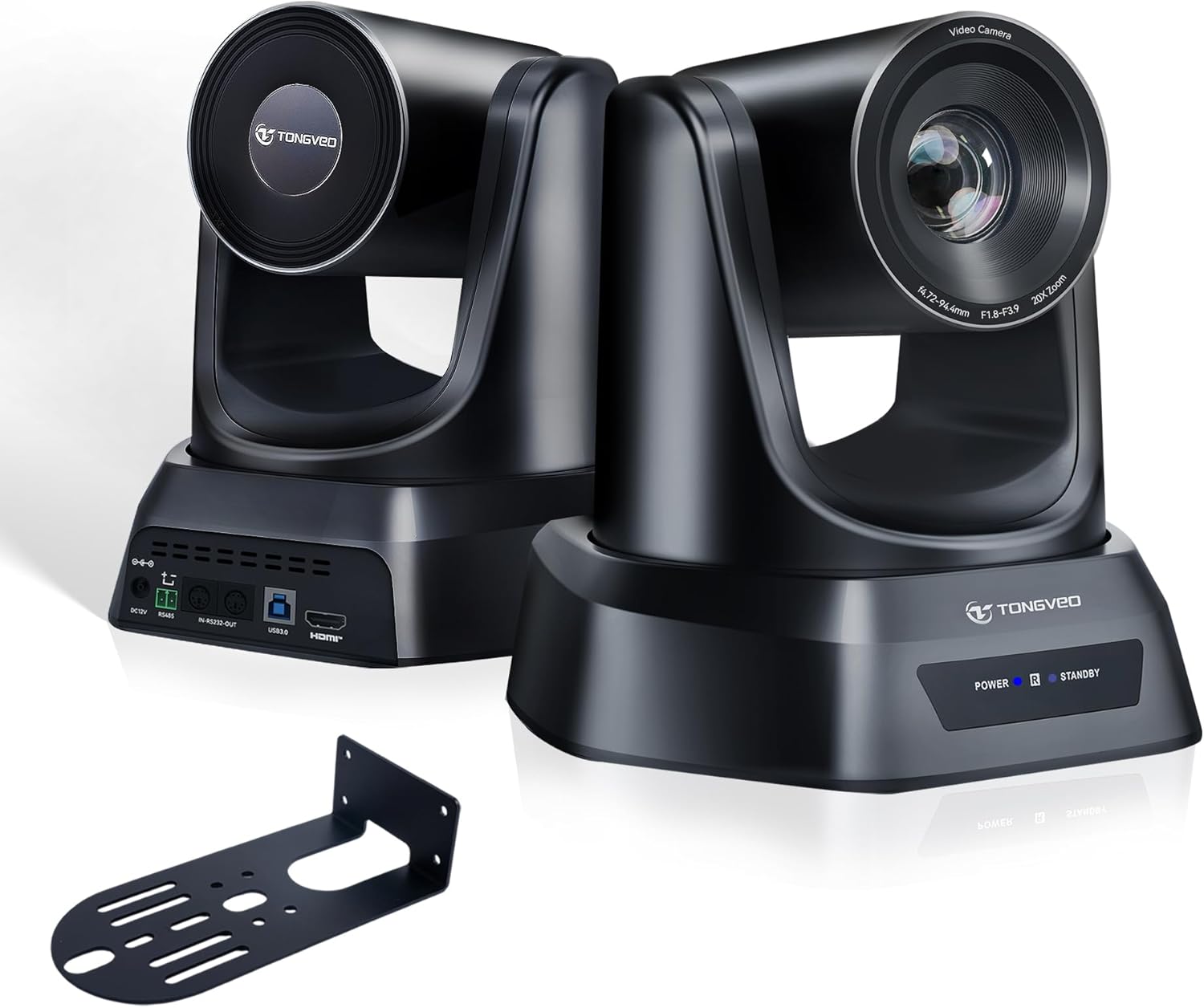
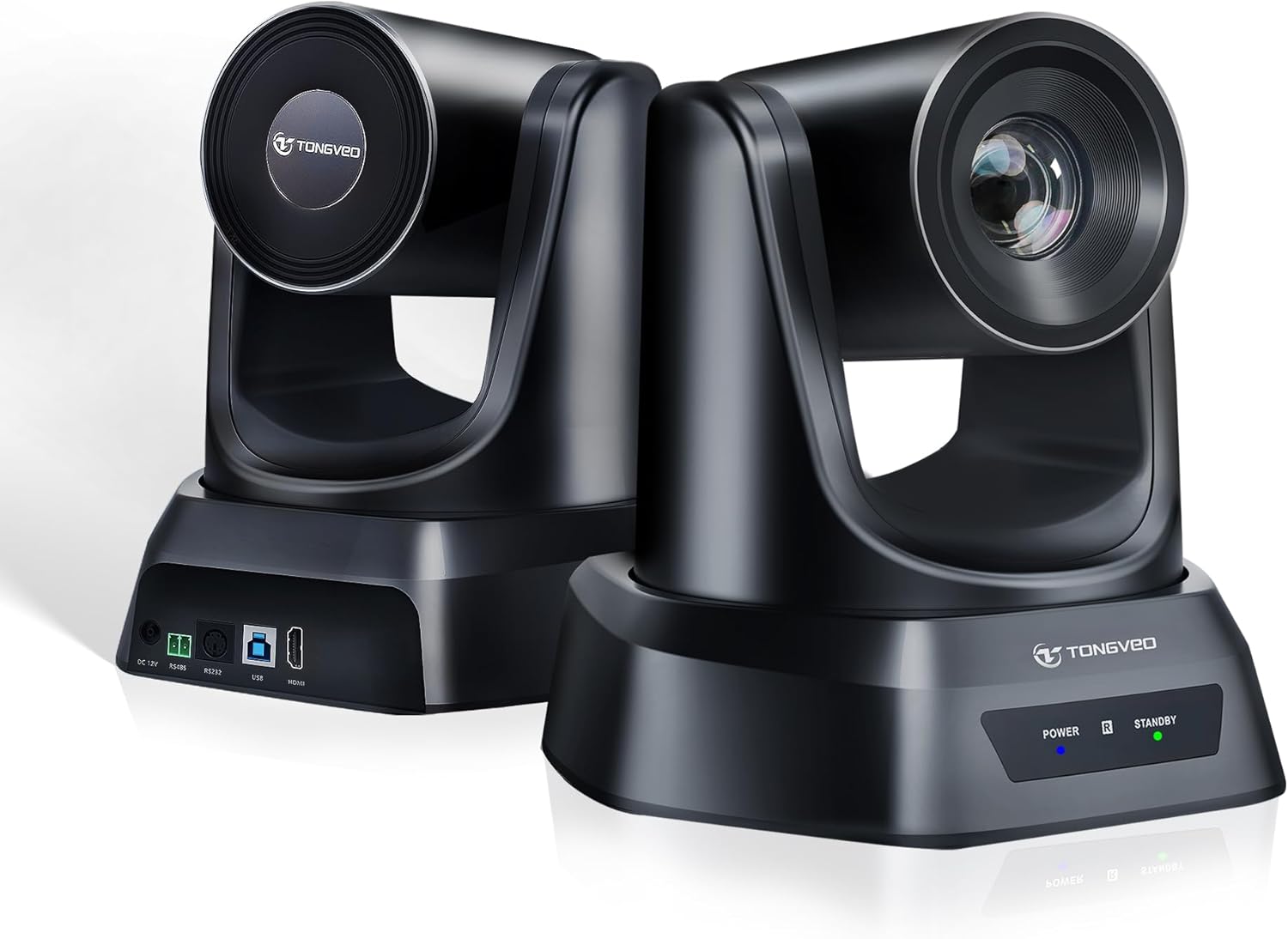
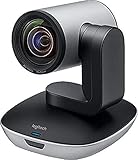
This is the sweet spot for medium churches. 20X optical zoom means you can see the pastor’s expression from the back of the sanctuary. 1080P 60fps delivers smooth video quality. 350° pan and 180° tilt give you coverage of your entire worship space for a complete live streaming church service setup.
Connects via HDMI output, USB, or IP. Works with Zoom, YouTube, OBS studio, Facebook Live. Control it from your phone or a physical remote control. Set it and forget it, or adjust on the fly. Easy to mount on tripod or rigging for your video production setup. The best camera for beginners and experienced tech teams alike—this ptz camera offers plug and play simplicity with professional-grade reliability.
Why we chose it: Best overall value for medium churches. Reliable 4.5 stars. Zoom range that actually works. Compatible with every streaming platform. Great image quality for volunteer-operated streaming teams.
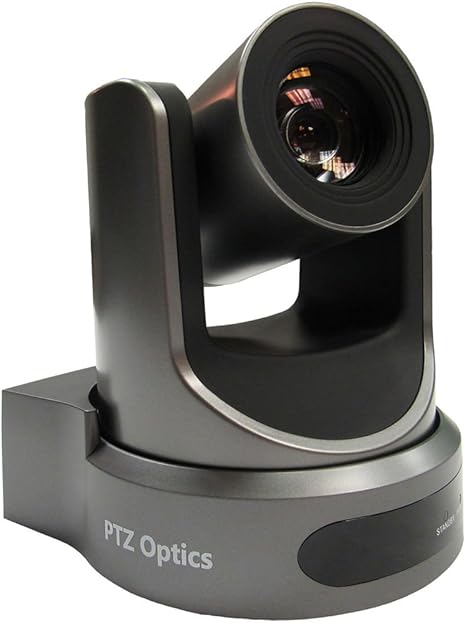
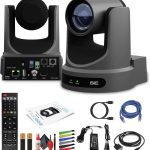
This is for churches that already have SDI infrastructure. If your sanctuary has broadcast-grade equipment already installed, this camera integrates seamlessly with your existing video production system.
20X optical zoom. Same zoom range as the TONGVEO, but it outputs SDI output, which is the broadcast standard for professional church media ministry. HDMI output and IP connectivity too if you need them. Professional-grade reliability with remote control capability. Your av director or media team will appreciate the seamless integration into existing worship service recording workflows.
Why we chose it: Best for professional broadcast infrastructure. SDI output for installed systems. 4.7 stars from professional video production users and av directors.
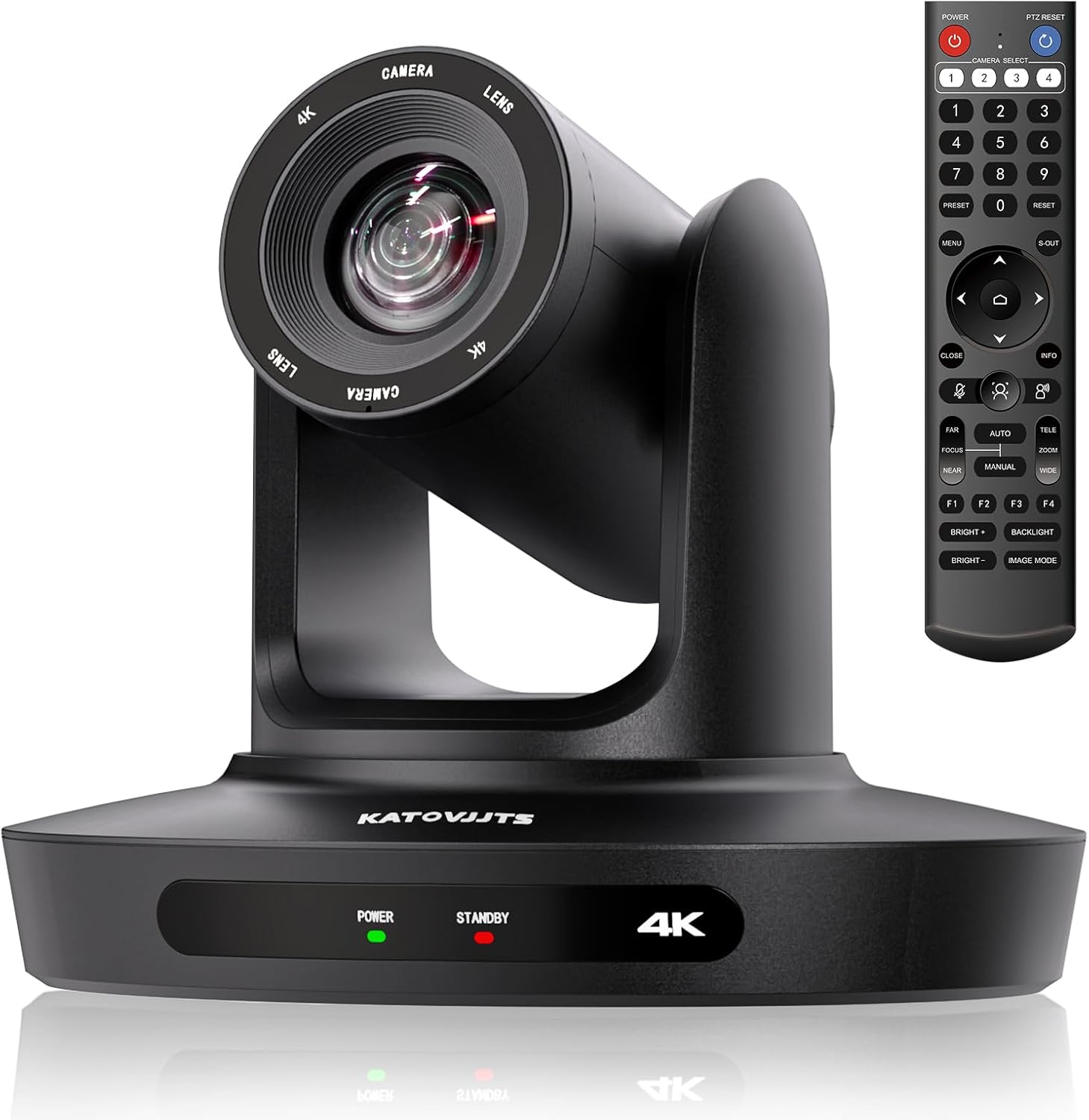
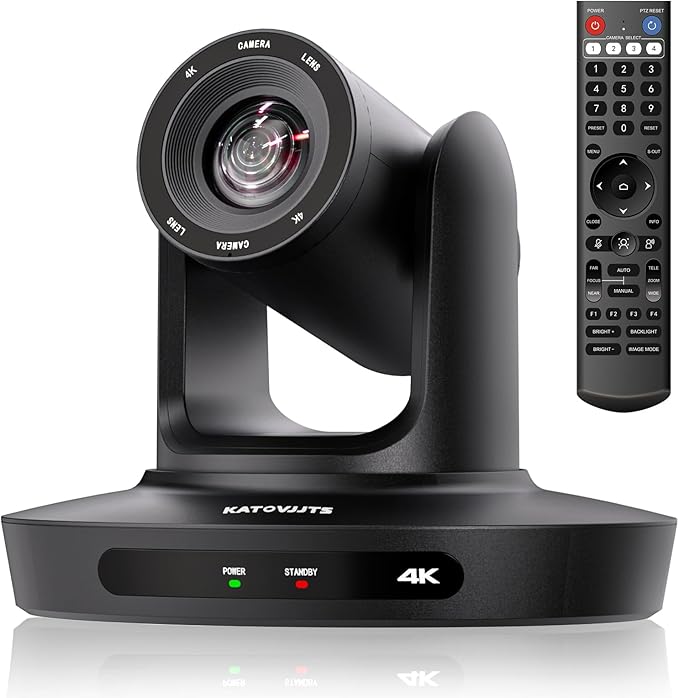
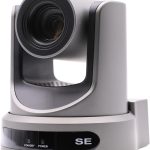
4K. That’s the future of church streaming. If you’re planning to stream in 4K or archive recordings in 4K, this camera prepares your church media team now.
4K UHD 30fps delivers stunning image quality for worship service recording and content creation. 20X optical zoom lets you capture every angle. PoE camera power (runs off your network cable for simplified cable management) and NDI-compatible for professional video production workflows. This is the camera that grows with your church’s tech capabilities as your digital ministry expands to remote congregation and zoom church options.
Why we chose it: Best for future-proofing your broadcast quality. 4K when you’re ready. 320+ reviews at 4.3 stars. NDI makes it professional-grade for media teams and tech directors.
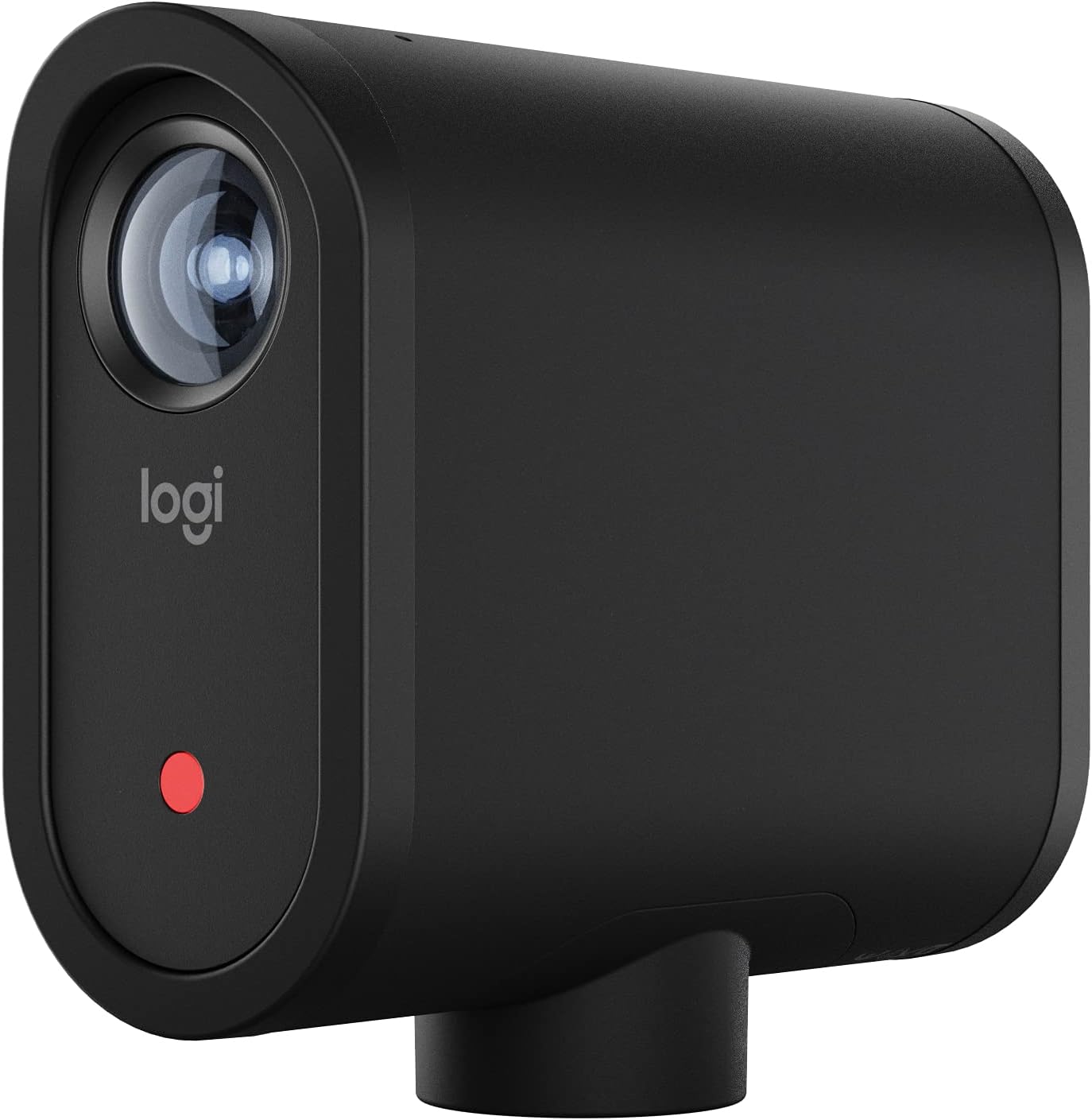
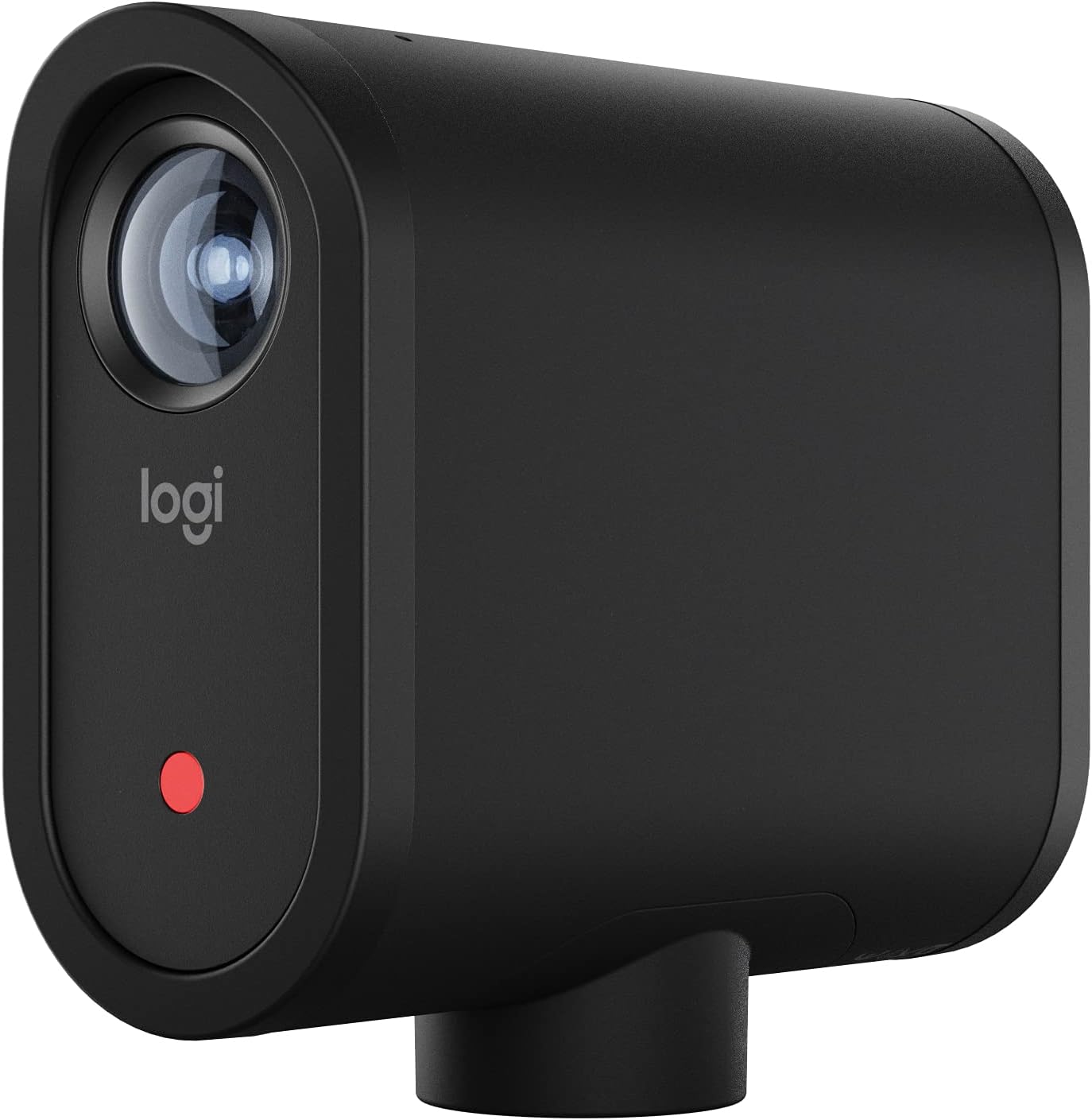
Simplicity. No encoder. No mixer. No separate streaming computer needed. Just plug in the camera and it broadcasts directly to YouTube live and Facebook live.
The tradeoff: fixed wide-angle lens. No zoom. No pan-tilt control. Works great if your church is small and you want a single wide-angle shot of the whole service with minimal setup. This webcam upgrade from basic cameras features built-in live streaming software and encoder, making it the most plug and play option for small churches getting started with live streams.
Why we chose it: Best plug-and-play for small churches. Cheapest option. No tech setup required. Beginner-friendly with excellent ease of use.
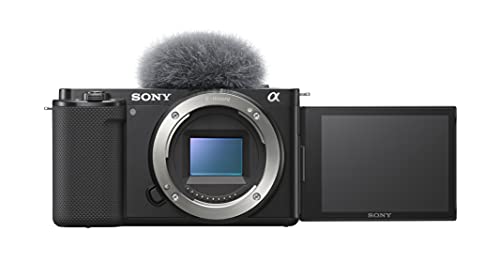
This is a mirrorless camera, not a dedicated streaming ptz camera. But it’s exceptional for professional church video production with outstanding image quality.
24.2MP APS-C sensor delivers professional-grade broadcast quality. 4.7 stars from video creators and church media directors. Outstanding low-light performance crucial for sanctuary lighting conditions. You can swap lenses with interchangeable lens capability for different camera angles and wide angle lens to zoom lens flexibility. HDMI output and USB-C for streaming setup. You can achieve cinema-quality video that makes sermon recording and content creation for your digital ministry look professional. Takes more setup than a PTZ camera, but the image quality is absolutely worth it for churches that want professional-grade worship service recording.
Why we chose it: Best image quality and low-light performance. Excellent autofocus for volunteer-operated video teams. Mirrorless flexibility for field of view options. 4.7 stars from video production professionals.
Budget ptz camera with reliable performance. 10X optical zoom (half of the others, but still useful for most setups). 1080P 60fps delivers solid video quality. Works with every streaming platform: Zoom church services, YouTube live, OBS studio, Teams meetings, Facebook live, and vmix for advanced streaming workflows.
Smaller footprint than other pan tilt zoom cameras. Lower price point. Lower cost means lower power requirements and simpler streaming setup. Perfect for mid-range church budgets seeking a quality camera without premium pricing. Great for remote congregation viewing and zoom church applications where autofocus and reliable operation matter most.
Why we chose it: Best budget pan tilt zoom option. Works with all streaming platforms and encoders. 4.0 stars. Proven reliability for church tech teams.
Choosing the right camera for your church depends on three things: how you stream, who operates it, and your budget. A beginner-friendly video camera with auto-tracking is very different from a full broadcast-grade live video production camera. In low light — and most sanctuaries are darker than you’d think — sensor size matters more than megapixel count. A larger sensor captures more light and keeps the image clean.
Beyond our top picks, there are other solid camera options worth knowing about. For churches that want a traditional camcorder form factor, the Canon VIXIA HF G series delivers excellent image quality in a portable body. The Canon XA line steps up to a more professional build with XLR audio inputs and SDI connections — useful if you’re feeding directly into a video switcher. These aren’t in our top picks because the PTZ cameras above offer better value for most church setups, but they’re legitimate alternatives for teams with specific production workflows.
Choosing the right camera for your church depends on three things: how you stream, who operates it, and your budget. A beginner-friendly video camera with auto-tracking is very different from a full broadcast-grade live video production camera. In low light — and most sanctuaries are darker than you’d think — sensor size matters more than megapixel count. A larger sensor captures more light and keeps the image clean.
Beyond our top picks, there are other solid camera options worth knowing about. For churches that want a traditional camcorder form factor, the Canon VIXIA HF G series delivers excellent image quality in a portable body. The Canon XA line steps up to a more professional build with XLR audio inputs and SDI connections — useful if you’re feeding directly into a video switcher. These aren’t in our top picks because the PTZ cameras above offer better value for most church setups, but they’re legitimate alternatives for teams with specific production workflows.
Buying Guide: Which Camera for Your Church?
For Small Churches (0-150 people)
Start with the Mevo Start ($399). Wide-angle fixed lens. Built-in streaming software and encoder. No extra equipment needed. Or go Logitech PTZ Pro 2 ($499) if you want zoom capability and pan tilt control without breaking the budget. Either option works for small churches and beginning-friendly video production.
For Medium Churches (150-500 people)
TONGVEO PTZ Camera 20X 1080P ($499). This is the sweet spot. 20X optical zoom covers your entire sanctuary and pulpit-to-congregation range. 1080P 60fps is smooth broadcast quality. All major platforms supported through HDMI output and other connections. This is what most churches with volunteer-operated media teams should buy for live streaming services and worship service recording.
For Large Churches or Professional Setup
PTZOptics 20X-SDI Gen3 ($999) if you have SDI output infrastructure already installed. KATOVJJTS PTZ 4K 20X ($799) if you want 4K streaming and modern connectivity options including NDI for professional broadcasting. Either choice delivers broadcast-grade image quality for your media ministry and church media director.
If You Want Cinema-Quality Video
Sony ZV-E10 ($748). This requires more setup—you need a separate encoder, capture card, and likely OBS studio or similar streaming software—but the image quality is professional. Best for churches that want to showcase sermons as professional video content and operate remote congregation and zoom church streaming. This mirrorless camera with interchangeable lens capability gives you the most professional-grade results for worship service recording and digital ministry content creation.
If You’re Upgrading From Fixed Camera
Jump to the TONGVEO. The ability to zoom from pulpit to choir to congregation transforms your stream. Your viewers will see what’s actually happening, not just a fixed wide-angle shot. Remote control and pan tilt zoom capability make it easy for volunteer video teams to operate without specialized training. A proper ptz camera replaces the limitations of fixed lens and fixed angle captures.
When comparing options beyond our top picks: some churches run a multi-camera camera system with a wide room shot and a close-up. In that setup, a reliable camcorder as a backup is common. The best PTZ cameras for houses of worship have quiet motors (critical during sermon recording), wide dynamic range for mixed lighting, and simple IP control a volunteer can learn quickly. In a space with both natural light and stage lighting, a camera that handles both is a great choice over one optimized only for studio conditions.
A well-chosen camera transforms how your congregation experiences live church services — both in the room and online. For churches building out their first live stream setup, the choice between PTZ cameras and usb cameras depends on your switching workflow and who’s running the board. USB cameras are simpler for a laptop-based setup, while PTZ cameras scale better as your online streaming audience grows and you add multiple angles. Either way, the goal is consistent, professional-looking video that doesn’t distract from the message — a camera that just works, service after service, without needing constant adjustment.
Matching the right camera to your church’s actual workflow is a great way to avoid expensive mistakes. The price range for quality church cameras spans from under $500 for a solid usb cameras setup to $3,000+ for professional PTZ units — and the great option at each level depends on your switching setup. If you’re running a laptop-based stream to YouTube Live or Facebook Live, a USB or HDMI camera may be all you need for a first step into church live streaming. For video production quality that holds up on larger screens, higher resolution and low-light capabilities become more important — especially during candlelit or low-lighting services.
The specific camera models that recur in recommendations from church needs-focused reviews include several worth knowing by name. The Canon EOS C cinema line offers professional camera quality with exceptional manual focus control. The Sony FX series brings cinema-grade sensors to a good camera body that a single operator can manage. The Canon CR-N is a PTZ option favored for its quiet motors and clean HDMi connections. The Canon Vixia HF G remains a popular lower-budget options workhorse. The OBSBot Tail Air is a newer AI-tracking option that functions well for a good chance at autonomous framing without a dedicated operator. PTZOptics kits and the PTZOptics Move SE are worth considering if you want a scalable IP-controlled system. The Blackmagic Studio Camera is a great place to look if you’re building a multi-camera live stream setup around the ATEM Mini ecosystem.
If you’re dealing with a tight budget, here’s how to approach the glut of tech options sensibly: focus on what your worship services actually need, not on high-level gear you’ll never fully use. A solid option at the $500-$800 range will outperform a $3,000 camera operated poorly. For most churches, a fixed position camera covering the stage plus a new camera for close-ups covers 90% of what a virtual service or social media accounts audience needs. For a small church, a single well-positioned camera with xlr inputs for clean audio capture and proper sd cards for local backup is often the complete solution. The sermon video and sermon transcript pairing has become standard practice for video broadcasting software workflows, and your camera choice affects both.
Other practical factors: camera placement — whether mounted on a tripod, ceiling-mounted, or balcony-positioned — affects which features matter most. A ceiling-mounted PTZ needs strong low-light performance and remote control via IP; a tripod-mounted camera needs a skilled operator on Sunday mornings. For churches building out new live streaming equipment from scratch, starting with a single solid choices mid-range camera and expanding later is smarter than buying a bigger budget system before your team knows how to use it. A capture card bridges HDMI cameras to your streaming PC, and sdi connections and SDI output are worth having if you ever plan to run cables longer than 15 feet. Every informed decision here saves your church members money and your volunteers frustration at a live event. The production value of your stream rises with each deliberate upgrade, and the worship music experience for remote viewers improves most when audio and video are treated equally. Even the ideal camera for your house of worship at your price point has a sweet spot — finding it is what this guide is designed to help with. Don’t overlook online reviews from other churches who have deployed the same camera at scale before committing.
Frequently Asked Questions
What’s the difference between 20X zoom and 10X zoom?
20X optical zoom magnifies 20 times. 10X optical zoom magnifies 10 times. In a church setting, 20X lets you capture close-up expressions from the back of the sanctuary. 10X is usable but limits you to wider shots and field of view options. Unless you’re in a tiny church, go with 20X for better coverage of your entire worship space during live streaming services and sermon recording.
Do I need a separate encoder for streaming?
Most pan tilt zoom cameras need an encoder (a small box that converts camera signal to streaming format for HDMI output or SDI output). The Mevo Start is the exception—it has a built-in encoder and streaming capability. PTZ cameras save money there but cost more upfront. Pairing your camera with the right encoder and live streaming software is critical—our live streaming equipment guide covers everything else you need for a complete video production setup including encoder, switcher, and capture card options.
Can I use my old DSLR camera for streaming?
Yes, if it has HDMI output and can stay powered during your service. But DSLR batteries die during long continuous operation of 90-minute services. You’d need an external power solution. And no reliable autofocus or auto-exposure like a dedicated streaming camera. A dedicated ptz camera built for broadcast is worth the investment for reliable worship service recording and live streaming church services.
What about low-light performance?
This matters greatly. Sanctuaries aren’t brightly lit broadcast studios. Pan tilt zoom cameras handle this adequately. The Sony ZV-E10 excels here with its larger sensor size and excellent sensor for low-light worship environments. If lighting is a real concern, consider adding LED uplights to your rigging and cable management setup, or get the Sony for outstanding low-light capability.
Do I need multiple cameras?
Not at first. One good ptz camera can cover your sanctuary by panning and zooming and using remote control functionality. Multiple cameras require a video switcher and significant streaming setup complexity. Start with one quality camera. Add more later if your production and digital ministry grow. We also have a broader roundup of HD cameras for churches that covers non-streaming use cases like recording sermons and events. Projectors handle the in-room visuals while cameras handle what goes online — if you need both, see our church projector picks.
Which camera pairs best with my mixer?
Any ptz camera works with any mixer or audio equipment. The question is: what connects your camera to your streaming platform for youtube live, facebook live, or zoom church delivery? USB goes to a computer with OBS studio or vmix. HDMI output goes into a video switcher or encoder. IP connectivity goes into your network and can stream directly. Your mixer’s USB or Dante output is what feeds audio to your stream — we reviewed the best digital mixers for church with streaming in mind. Know your workflow first, then choose based on the output type your setup requires.
George Hendricks is the founder and managing editor of Godsverse.org. He has written and published over 200 skit reviews, church resource guides, and Bible study articles. With a background in data-driven content strategy and digital publishing, George built Godsverse into one of the most comprehensive collections of church skit reviews and printable scripts online. When he's not writing, he's researching what churches actually need and figuring out how to deliver it.