Affiliate Disclosure: Godsverse may earn a small commission when you purchase through links on this page — at no extra cost to you. We only recommend products we’d actually use in a church setting.
Your drummer is good. Really good. The problem? Everyone can hear the drums. Even when the keyboards are cranked. You’re fighting feedback on the monitors. The sound guy is pulling his hair out.
You need a drum cage. A shield. Something between silence and explosion.
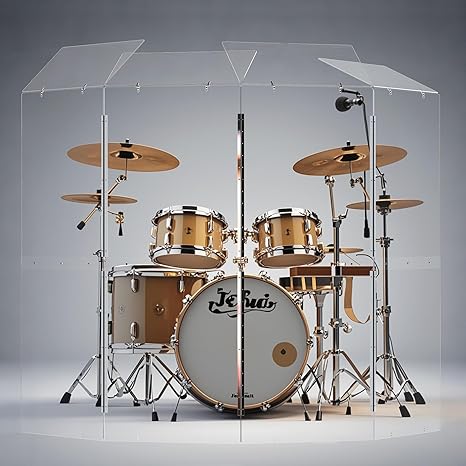
Drum cages don’t kill the drummer’s energy. They direct it. They let the drums breathe while preventing the stage volume from eating your mix alive. And they’re easier than soundproofing a room. A drum cage is one piece of managing your stage volume — see our full church audio equipment guide for the bigger picture. The cage controls the volume, but the drum heads control the tone — see our drum head recommendations for what to put inside. With a drum cage in place, your drummer will almost certainly need their own dedicated stage monitor or in-ear mix. Managing drum volume is just one part of getting your church sound system right.
1. Pennzoni Acrylic Drum Shield 6-Panel — Best Overall
Price: $269 | Rating: 4.7/5 (820+ reviews)
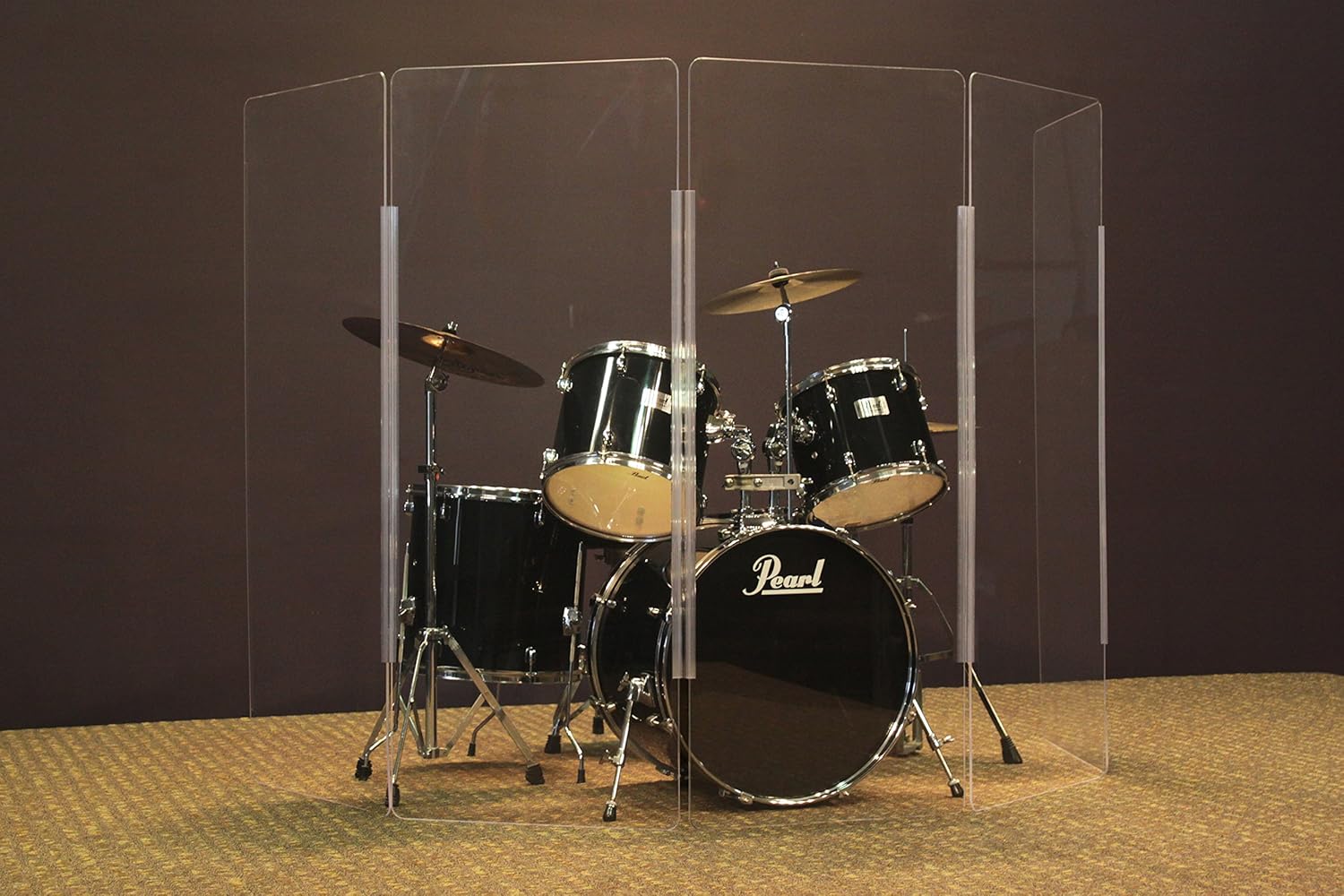
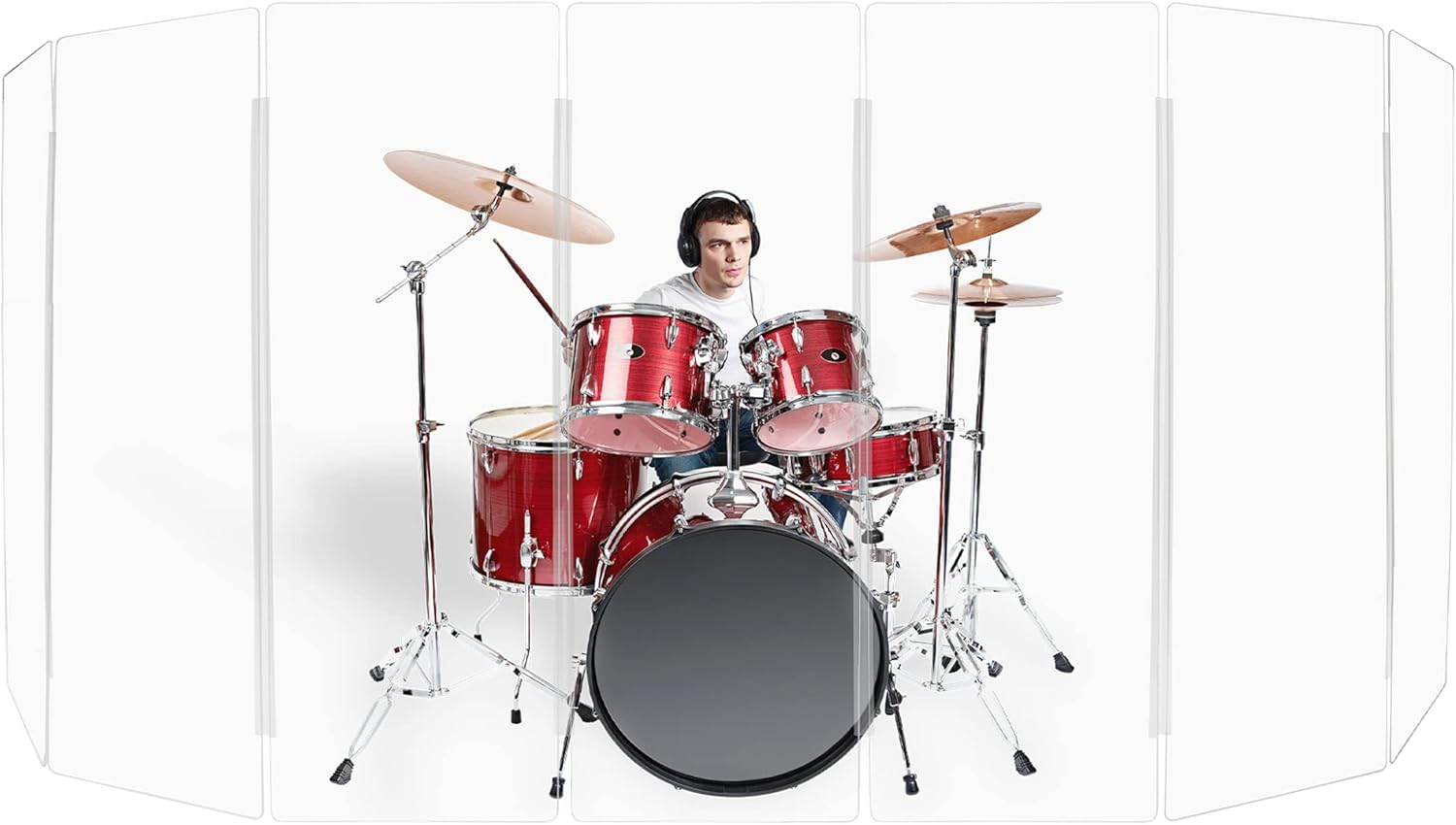
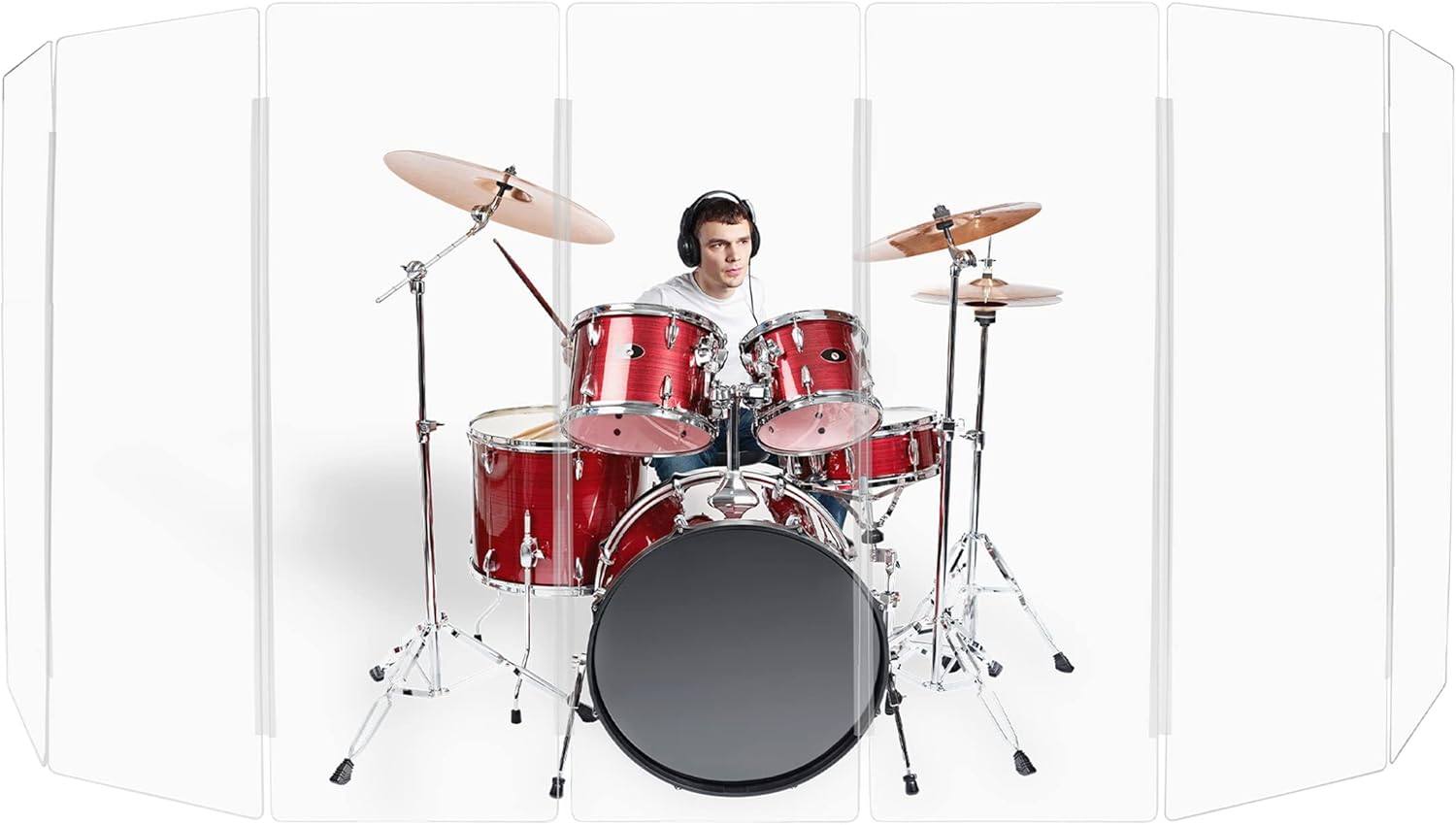
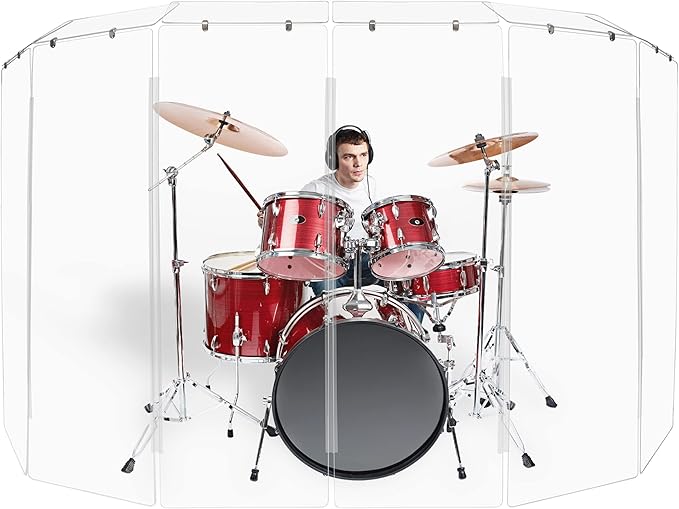
The standard drum cage choice for worship bands. USA-made acrylic panels create an effective sound isolation booth. 6 drum shield panels at 2ft tall x 5ft wide. Flexible hinges that bend the way you want them to. Stands stable without wobbling. This drum booth setup provides excellent sound dampening for your drum kit. The acrylic drum shield reflects sound effectively while maintaining visibility. Church drummers appreciate the balance — the cage controls sound bleed without feeling claustrophobic. The custom wiring panel backing allows monitor feeds without restricting the sound engineer’s setup options.
This is what most medium-to-large churches use. For good reason.
4 panels. 16×48 inches. Lightweight. Affordable. This is where small churches start addressing stage volume and sound control. You won’t get the full isolation of a 6-panel setup, but you’ll get enough. The drummer won’t feel caged in. A compact drum shield solution that reduces drum bleed without excessive bulk. Perfect for worship services in smaller sanctuaries where space is at a premium. The acrylic drum shield panels help manage monitor feedback and stage volume issues effectively.
You won’t get the full isolation of a 6-panel setup, but you’ll get enough.
3. 5-Panel Drum Shield with Stainless Steel Hinges — Best Mid-Range
Price: $249 | Rating: 4.6/5 (650+ reviews)
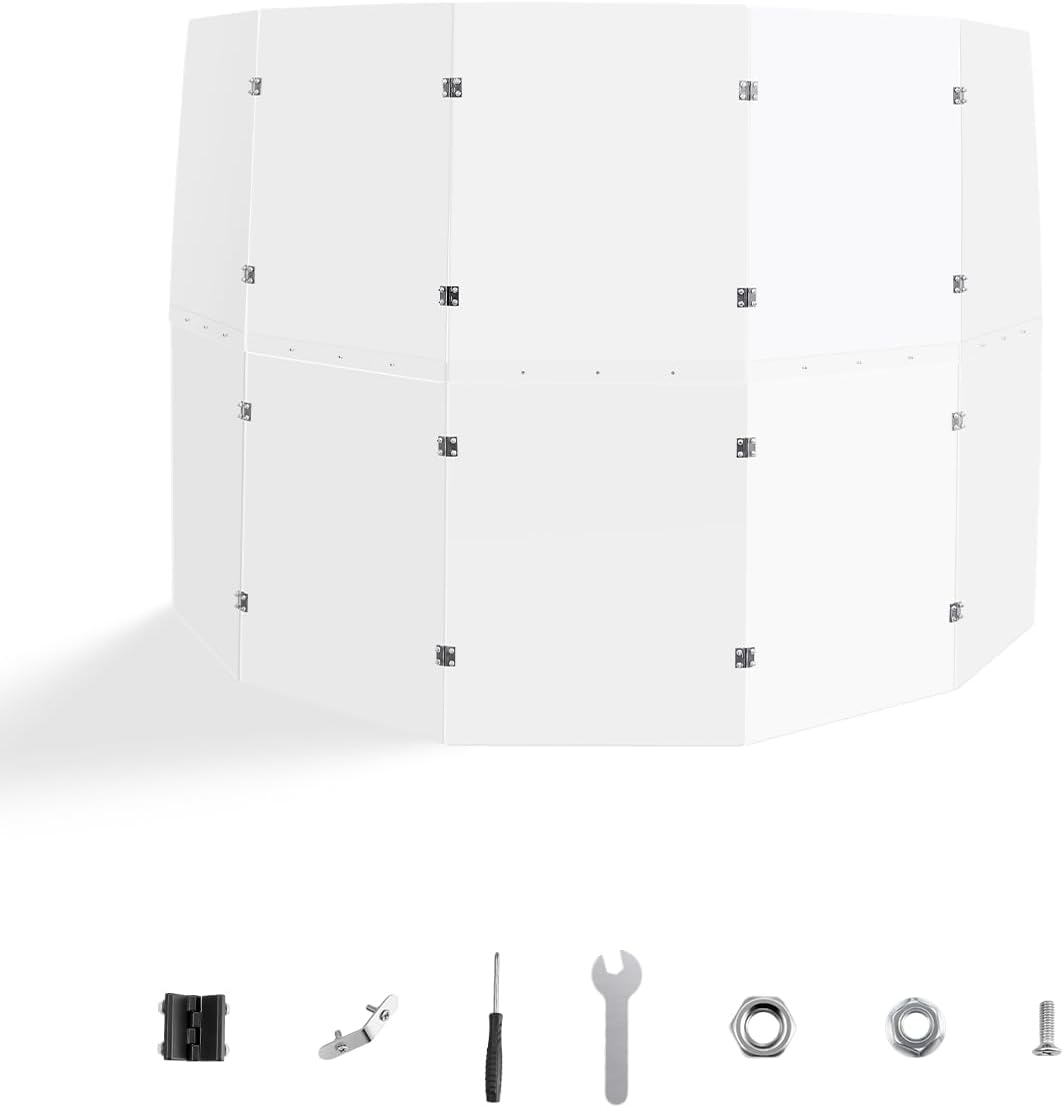
Factory-installed stainless steel hinges provide durability for frequent setup/breakdown. 2x5ft panels deliver effective sound isolation. Portable without being flimsy. Good middle ground between budget and premium. Better hinge quality = better longevity for worship bands that set up and break down drums frequently. This portable drum shield with heavy-duty construction helps manage sound bleed and stage volume. The acoustic dampening performance rivals larger models while maintaining portability. Acrylic drum shield construction with stainless steel hardware ensures reliable performance across worship services.
Better hinge quality = better longevity.
Pros: Stainless hinges, durable, mid-range price, good isolation, sound control
Cons: Only 5 panels (not 6), slightly lighter acrylic than Pennzoni, moderate weight (30 lbs)
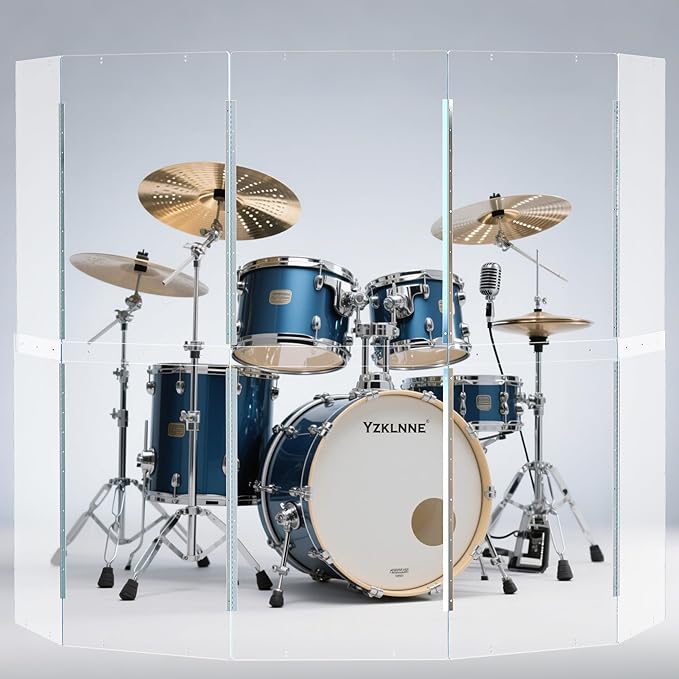
Drum Workshop builds it like the legend drums they make. Thick acrylic provides superior sound dampening and reflection. Heavy construction for professional-grade drum booth stability. Won’t wobble or crack. This seamless drum enclosure delivers maximum sound isolation and control. The premium plexiglass drum shield construction withstands aggressive playing styles. Ideal for larger churches running complex worship services with multiple drummers or high-energy drum kits. The floor-to-ceiling enclosure design with heavy-duty materials ensures long-lasting acoustic treatment performance.
If you’re buying once and it needs to last 10 years, this is it.
Pros: Premium build, thick acrylic, excellent stability, long lifespan, professional sound isolation
Cons: Expensive, heavy (42 lbs), requires permanent placement, large storage footprint
5. VEVOR 5-Panel Portable Drum Shield — Best for Portability
Price: $189 | Rating: 4.5/5 (490+ reviews)
Zinc alloy hinges prevent rust and corrosion for long-term performance. Portable design for churches with multiple worship spaces. Weighs 28 lbs but feels solid. Perfect for worship bands that use multiple spaces or need to break down and move frequently. The transparent panels maintain stage visibility while providing effective sound isolation and control. Sound dampening performance handles typical drum kits well. Reflection panels redirect sound away from monitors and audience. This portable drum shield works well for temporary setups and touring worship teams.
The hinges won’t rust. The panels won’t flex when they shouldn’t.
6. Pyle PDRS24 Portable Drum Shield — Best Compact
Price: $179 | Rating: 4.3/5 (420+ reviews)
5 panels at 18×48 inches deliver smaller footprint ideal for tight stages. Only 20 lbs makes it the most portable option. Great for tight stages or smaller worship spaces where stage volume management is critical. Plexiglass drum shield panels provide clear sight lines while controlling sound bleed. Acoustic panels handle reflection effectively for small-to-medium drum kits. Perfect for churches expanding sound control without major stage reconfiguration. Monitor mix management becomes easier with sound isolated drums.
You lose some height and width compared to the 2×5 ft options, but you gain floor space.
A proper drum isolation booth or cage does more than lower the volume — it lets the audio engineer (or whoever’s running sound) actually control the mix. Without it, drum bleed contaminates every open microphone on stage, making it nearly impossible to get a good mix in the house. That’s a constant challenge in smaller sanctuaries where the worship space doubles as the stage area.
For special events like Christmas and Easter services when attendance spikes, acoustic control becomes even more critical. Many churches also discover that a drum cage makes it easier to add electronic drums as a quieter option for rehearsals. The panels that make up a quality drum shield feature seamless enclosures between each panel — this eliminates the gaps where sound quality degrades and bleed creeps back in. A worship leader standing six feet from an open drum kit hears a very different instrument than one behind a properly enclosed cage.
A proper drum isolation booth or cage does more than lower the volume — it lets the audio engineer (or whoever’s running sound) actually control the mix. Without it, drum bleed contaminates every open microphone on stage, making it nearly impossible to get a good mix in the house. That’s a constant challenge in smaller sanctuaries where the worship space doubles as the stage area.
For special events like Christmas and Easter services when attendance spikes, acoustic control becomes even more critical. Many churches also discover that a drum cage makes it easier to add electronic drums as a quieter option for rehearsals. The panels that make up a quality drum shield feature seamless enclosures between each panel — this eliminates the gaps where sound quality degrades and bleed creeps back in. A worship leader standing six feet from an open drum kit hears a very different instrument than one behind a properly enclosed cage.
A proper drum isolation booth or cage does more than lower the volume — it lets the audio engineer (or whoever’s running sound) actually control the mix. Without it, drum bleed contaminates every open microphone on stage, making it nearly impossible to get a good mix in the house. That’s a constant challenge in smaller sanctuaries where the worship space doubles as the stage area.
For special events like Christmas and Easter services when attendance spikes, acoustic control becomes even more critical. Many churches also discover that a drum cage makes it easier to add electronic drums as a quieter option for rehearsals. The panels that make up a quality drum shield feature seamless enclosures between each panel — this eliminates the gaps where sound quality degrades and bleed creeps back in. A worship leader standing six feet from an open drum kit hears a very different instrument than one behind a properly enclosed cage.
Buying Guide: What Actually Works
Why Stage Volume Matters in Church Worship Services
Drums are the loudest instrument on stage. Without a drum booth or acoustic treatment, drums overpower everything else. Your sound engineer battles constant feedback in monitors. Stage volume spikes destroy mix consistency. A drum cage solves this by isolating the drum kit’s volume at the source. Sound dampening through acrylic reflection panels and acoustic treatment keeps the worship service sounding professional. Churches with active worship bands see dramatic improvements once drums are controlled. Sound isolation reduces reliance on gate/compression and lets your sound engineer focus on musical balance rather than fighting stage volume.
Drum Cage vs. Drum Shield vs. Isolation Booth — What’s the Difference?
These terms get thrown around differently by different people.
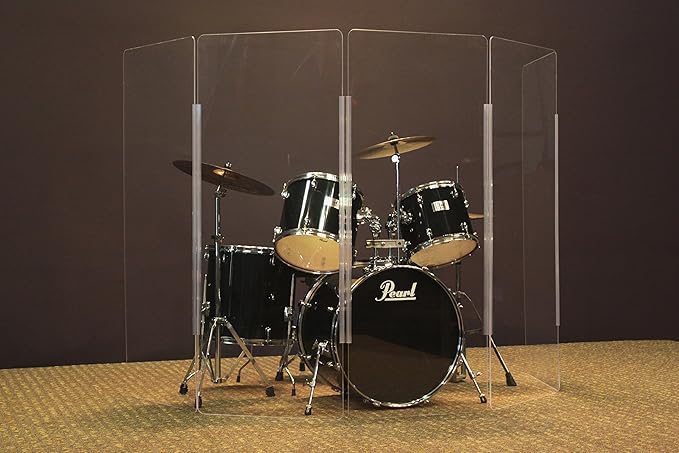
Drum Shield: Open-back acrylic panels. Doesn’t fully surround the drums. Reflects sound back to the drummer and forward to the audience. This is what most churches use and what we recommend.
Drum Cage: Usually refers to the same thing as a drum shield in the church world. Sometimes means a cage-like frame with netting or heavy-duty cage construction.
Isolation Booth: A fully enclosed box with floor-to-ceiling enclosure that surrounds the drums on all sides including the back. Expensive. Keeps sound completely contained. Overkill for most churches. An acoustic treatment approach requiring significant stage space.
For churches, get a drum shield. It’s the sweet spot between stage volume control and practical worship environment needs.
5-Panel vs. 6-Panel — Does It Matter?
Yes, but not as much as you think.
6 panels = full coverage, more isolation, takes more space. Better sound control overall.
5 panels = slightly less back coverage, still good isolation, easier to move. More practical for multi-use spaces.
If your stage is small or you need to move the shield frequently, go with 5. If you have permanent placement and want maximum sound isolation, 6 is ideal.
Will the Drummer Feel Claustrophobic?
Not with a good open-back shield that includes proper ventilation. Don’t block the back completely. A proper drum booth lets air flow and doesn’t trap heat. The drummer can see out. The drummer can breathe. You’re just taming the volume that escapes forward and sideways through the acoustic panels and transparent shield panels.
Do I Need Acoustic Foam Inside the Shield?
No. Acrylic reflection panels work better than foam absorbs sound. Foam muffles everything and dampens the drum’s natural tone. Acrylic directs the sound where it needs to go. Acrylic shields are the better choice for church worship where you want the drums to sound good. Acoustic treatment with acrylic proves more effective than foam-based soundproofing for drum cages.
How Do I Set This Up?
Measure your space carefully. Most shields are 2ft tall and 5ft wide. Make sure you have clearance above the cymbals. Set the back panels at an angle if you want for acoustic benefits. The hinges are flexible for this reason. Tape the hinges together to adjust the angle once and don’t adjust again. Consider monitor mix placement — your drummer will need a dedicated stage monitor or in-ear mix to hear the worship band properly inside the shield.
Not every instrument needs to be inside the cage — the cage targets the pa system bleed problem: kick drum, snare, and loud crash cymbals. Drum sticks on a rimshot or a full rock band-style dynamic performance don’t need to be softened — the cage handles the acoustic isolation. Proper sound control via a drum shield is one of the most cost-effective acoustic investments a church can make. Matt’s Heavy Metal cages are also well-regarded in the worship space for their durable steel construction and full enclosure design.
Thermal management inside a drum cage matters more than most buyers expect. Without adequate airflow, hot air builds up and affects both the player and the gear. Quality enclosures include ceiling vents and variable-speed ventilation systems that cycle fresh air through the cage during long services. For a real drummer playing at full intensity — full musical technique, hard hits on the snare and drum sounds carrying toward the back wall — good ventilation is the difference between comfort and misery. Look also at power connections for the fan and any lighting, and check whether the cage allows easy relocation when your stage layout changes. When guitar players or other loud instruments share the stage, the drum cage keeps bleed from compounding across the mix.
Yes. Look for 4-panel or 5-panel options like the Pyle PDRS24 at 18×48 inches for compact drum shield setup. It’s more compact and still delivers effective sound isolation. You sacrifice some coverage but gain floor space.
Do drum shields work for acoustic drums or just kits?
Both acoustic configurations work well. Any drum setup. Acoustic, electronic, hybrid kits. The shield works by reflecting sound through acrylic panels, so it helps with all drum enclosure configurations. Monitor mix design changes slightly but the principle stays the same.
How do I clean the acrylic?
Soft cloth, warm water, mild soap. Don’t use harsh chemicals. Acrylic scratches easily, so gentle is better. Wipe dry immediately to avoid water spots. The transparent panels should maintain clarity for good visibility during worship services.
Can I transport a drum shield in a vehicle?
Yes, if you fold it carefully. The Pennzoni and VEVOR models fold down pretty flat for transport. Lay it face-down in a van or truck. You might need to remove the hinges for smaller vehicles to fit a portable drum shield inside.
Will a drum shield reduce the drum volume that the drummer hears?
No. The drummer hears the same volume they always have. The acrylic shield reduces the volume that the audience and stage monitors receive. That’s the point. The sound isolation works directionally. You need a good monitor mix for the drummer to hear everything properly.
What’s the difference between acrylic and polycarbonate shields?
Acrylic is lighter, clearer, and more affordable for most church drum booth applications. Polycarbonate is tougher and won’t crack if a cymbal hits it. For churches, acrylic is fine and cost-effective. Polycarbonate is worth considering if you have aggressive drummers or high-energy worship services requiring heavy-duty drum enclosure construction.
How does a drum shield compare to a bass trap for sound control?
A drum shield controls directional sound reflection. A bass trap absorbs low-end frequencies. They serve different purposes. For drums specifically, a shield is more effective. Bass traps help overall room acoustics. Both together create the best acoustic treatment strategy for worship spaces.
Should I get a custom wiring panel?
Consider it if your church runs complex monitor mixes. A custom wiring panel behind the drum booth keeps cables organized and monitor lines clean. Standard shields work fine without it, but professional installations often include this option for better sound engineering workflow.
George Hendricks is the founder and managing editor of Godsverse.org. He has written and published over 200 skit reviews, church resource guides, and Bible study articles. With a background in data-driven content strategy and digital publishing, George built Godsverse into one of the most comprehensive collections of church skit reviews and printable scripts online. When he's not writing, he's researching what churches actually need and figuring out how to deliver it.