Blood moon or red moon in the Bible is mentioned in the Book of Revelation. However, it didn’t state “red moon.” Instead, it mentioned, “… and the moon became as blood.” And it could mean a sign of the end of times or a divine warning. It’s important to note that the next blood moon will happen on September 7, 2025.
In this post, let’s examine what this means, both literally and symbolically.
What is Red Moon in the Bible – Blood Moon?
A red moon or blood moon is a natural phenomenon. It occurs during a total lunar eclipse when the earth’s shadow fully covers the lunar surface. As a result, it causes the moon to glow with a deep red color.
Quick Assessment
Why does your prayer life keep falling flat?
It's usually one of four things — and each one needs a completely different strategy to break through. This 2-minute assessment tells you exactly which pattern is blocking you.
The reddish hue appears because sunlight bends through Earth’s atmosphere and filters out shorter, bluer wavelengths. It leaves the longer wavelengths of red light to reflect onto the moon.
The red moon in Scripture is more than just a divine sign. It carries spiritual symbolism as well. The color red is woven into the fabric of the Bible. It represents judgment, atonement, and transformation.
Free Resource
Get Your FREE Prayer Guide Now
and join the Daily Way Devotional: Join 25,000+ Subscribers
From the blood of the Passover lamb to the crimson stains of Christ’s sacrifice, red reminds us of the severity of sin and the power of redemption.
The moon doesn’t produce its own light in a natural sense. Rather, it reflects the sun, the same way believers are called to reflect the light of Christ. When the moon turns red, especially during a total lunar eclipse, it may symbolize a distortion in that reflection. It’s a moment when darkness overwhelms the light.
This can be understood as a crisis of faith, if you look at it spiritually.
The result? A blood-red moon that has fascinated skywatchers for generations.
Celestial Signs – Biblical Times
In biblical times, a full moon turning red is one of the celestial tines interpreted as heavenly signs that mark significant events. For the children of Israel, this occurrence stirred a sense of foreboding associated with the glory of God, divine judgment, or the fulfillment of biblical prophecy.
Old Testament prophets like Joel warned of a time when the moon would turn to blood before the awesome and dreadful day of the Lord (Joel 2:31). This is a vision that appeared in the book of Revelation when the sixth seal is opened and the whole moon becomes like blood.
These heavenly bodies to ancient cultures, like in the holy land, weren’t just great lights in the expanse of the heavens. They were also messages.
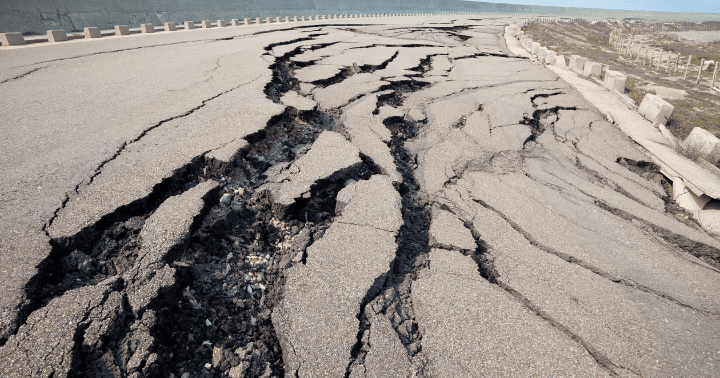
In our end times world filled with earthquakes, tribulations, and earth distress of nations, many are turning their eyes upward for signs of the times.
The image of a blood-red moon is one of the mysterious signs found in prophetic literature. It appears in both the Old Testament and New Testaments, often tied to the second coming of Jesus Christ.
One of the most foundational Bible verses on this subject is in Joel 2:30-21.
“I will show wonders in the heavens and on the earth, blood and fire and columns of smoke. The sun shall be turned to darkness, and the moon to blood, before the great and awesome day of the Lord comes.”
Spoken by the Old Testament prophet Joel, this prophecy offers both warning and hope. His vision was likely sparked by earthquakes, famine, or celestial disturbances in the holy land. It points to the dreadful day of the Lord, a time of judgment that would shake even the powers of the heavens.
Hebrew Word for Blood
Joel’s use of the Hebrew word “blood” paired with the moon evokes a sense of foreboding. This is particularly true during feast days in the Jewish calendar. That is when the moon was clearly visible in the night sky.
Centuries later, Apostle Peter quoted Joel’s words in Acts 2:20. He proclaimed the fulfillment of Joel to a crowd in the holy city of Jerusalem.
“The sun will be turned into darkness and the moon into blood before the coming of the great and magnificent day of the Lord.”
This moment is significant in Jewish history. It connects a prophetic lunar sign to the outpouring of the Holy Spirit and the birth of the Church. Furthermore, it marks it as one of the key events in the New Testament.
The children of Israel gathered from many regions including North America and the Middle East. They were eyewitnesses to this confirmation.
The sixth seal in Revelation 6:12 is broken. John writes:
“There was a great earthquake… the sun became black like sackcloth of hair, and the whole moon became like blood.”
These are total solar eclipse, blood-red moon, and earthquakes. They reflect the tribulation of those days. Furthermore, they may hint at a future lunar tetrad or special tetrad of total lunar eclipses, such as the blood moon tetrad and many noted in recent years, (starting April 15th).
Some believers have connected these phenomena to the end of the world, the Mount of Olives, or the final ring of fire before the final curtain call of the end of the age.
Other Old Testament references, including Isaiha 13:10 (“The stars of the sky… will not show their light.”) and Ezekiel 32:7 show that the expanse of the heavens has long been used to provide divine wrath or fierce anger.
These heavenly bodies weren’t just greater lights. Instead, they were symbols of God’s sovereignty and communication with His people.
The appearance of a blood-red moon is more than just a beautiful lunar landscape, in every case. It’s a heavenly sign. It calls us to recognize the sign, reflect on the glory of God, and prepare for what lies ahead of us.
Christian Theologians and Their Interpretations About Red Moon
The appearance of the red moon in prophetic literature sparked diverse interpretations. Some scholars and preachers view it symbolically. Others, however, tie it to historical moments already fulfilled in biblical prophecy.
The literal interpretation held by many in Dispensationalism sees it as a physical phenomenon yet to occur. It’s likely a result of a total eclipse of the moon during the end times.
This view expects a visible full moon, tinted red color, during a lunar tetrad or even a special tetrad, to signal key events surrounding the second coming of Jesus Christ.
In the said view, natural phenomena like the earth’s shadow, partial solar eclipse, and even the alignment of feast days are heavenly signs.
The symbolic interpretation is more common in Amillennialism. It regards the blood moon as a metaphor for upheaval, divine judgment, or societal collapse. The OT prophet often used cosmic language to describe the rise and fall of empires.
Phrases like the stars of the sky falling or the powers of the heavens shaking signify spiritual disorder and God’s intervention, instead of literal celestial disruptions.
The historical fulfillment view ties the red moon image to pivotal events in Jewish history, like the destruction of the temple mount or the crucifixion of Christ.
Early Church Fathers saw the new moon turning to blood as fulfilled at the Cross. It was an event marked by darkness and a great earthquake.
Some modern teachers make connections between the recent total lunar eclipse and the past feast of Tabernacle dates. They interpret them as God’s fingerprint on the Jewish calendar.
These views about red moon in the Bible all affirm one truth. That is, the celestial sign of the red moon points us back to the glory of God. His control over the heavens and the signs of the times.
True or False: Blood Moons are Signs of the End Times?
The red moon for many believers has become a focal point of eschatological interest. It’s often seen as a heavenly sign that points to the end times.
Even though biblical prophecy associates celestial disturbances with climactic events, interpreting the exact timing and meaning of these events remains a subject of debate.
The term blood moon gained attention through the teachings of John Hagee and Mark Blitz. These two tied the blood moon tetrad. It’s a series of four consecutive total lunar eclipses to the Jewish calendar and feast days like Passover and the Feast of Tabernacles.
These lunar events, which occurred between 2014 and 2015 aligned with key Jewish feasts and were interpreted by some as prophetic markers of major shifts in Jewish history or global events.
The theory about red moon in the Bible suggests that when blood moons coincide with sacred dates, they serve as divine signals, warning of changes concerning the holy city, or temple mount.
Supporters of this theory cite historical patterns. They note that similar tetrads occurred around the time of the expulsion of Jews from Spain, the founding of the State of Israel, and the Six-Day War in 1967.
Scripture, however, warns against date-setting. Jesus says plainly in Matthew 24:36:
“But about that day or hour, no one knows, not even the angels in heaven, nor the Son, but only the Father.”
This reminder calls for discernment. The signs should awaken spiritual awareness, not anxiety. It’s true that the red moon may reflect God’s glory and act as a celestial sign, but it’s not a definitive countdown to the end of the world.
We’re called to watch, pray, and live faithfully in every generation. As heavenly bodies shift and lunar landscapes glow, we’re urged to prepare our hearts for eternity.
God has used nature to communicate with His people throughout the Bible. The great earthquakes in Revelation. The flood in Noah’s day and the fire from heaven in Elijah’s time. The creation responds to the Creator.
The blood-red moon may serve as a wake-up call. It reminds us of the urgency of repentance, the nearness of God’s judgment, and the need to be prepared spiritually.
Jesus warned in the Gospels that these signs in the heavens aren’t meant to stir fear. Rather, it was to prompt faith. We’re living in a world consumed by noise, and the red moon cuts through with a silent but powerful message. We need to be ready.
Whether it marks a turning point in history or a personal moment of reflection, the red moon invites us to examine our hearts, return to God, and walk in the light once more.
The heavens declare the glory of God. They also echo His mercy and His call to readiness for the magnificent day to come.
Red Moon in Bible Prophecy
What is red moon in the Bible? Have the blood moons spoken of in Bible prophecy already happened? Scholars and beliefs have long debated it.
Some point to 70 A.D. That is, when the Roman army destroyed the temple in Jerusalem, as a moment when prophetic words came to life. Historical records describe strange atmospheric events and lunar eclipses, interpreted as blood moons, during this time of upheaval.
It aligns with Jesus’ warning of the tribulation of those days and may represent an early fulfillment of Joel’s prophecy.
The blood moon tetrad of 2015-2015 reignited interest in prophetic signs. The fact that these eclipses aligned with Jesus’ feast days, like Passover and the Feast of Tabernacles, sparked renewed discussion about their alignment with God’s times in the Jewish calendar.
There’s no definitive event that happened. But many saw it as a spiritual alarm bell. It reminds the Church to remain alert.
Some believe more blood-red moons are to come. During a final lunar tetrad or other heavenly signs accompanying the second coming of Jesus Christ.
Yet amid curiosity, Scripture offers a caution. Jesus said:
“See that no one leads to astray.” Matthew 24:4
He also warned:
“ You do not know the day or the hour.” Matthew 25:13.
These signs are past, present, or still future. Their true purpose is to stir the heart toward repentance. They also awaken the spirit to watchfulness and draw the faithful closer to God’s unfolding plan.
How Should Christians Respond to the Red Moon?
In a time when the world is watching the skies, how should we, as Christians, respond to the appearance of red moons?
First, we need to pray and seek God. These signs must not lead to fear or obsession. Rather, it must lead to reflection and alignment. Use the appearance of this moon as a spiritual prompt. That is, “Am I walking with Christ? Is my heart prepared?”
Don’t panic. But be prepared. Jesus warned us not to be alarmed but to be watchful. The red moon isn’t a cue for sensationalism or anxiety. It’s a reminder of God’s sovereignty and our need to stay rooted in Him.
The Church must also be salt and light during uncertain times. In seasons marked by signs of the times, we’re called to shine brighter We must love deeper and point others toward the home we have in Jesus Christ.
Most importantly, we must be grounded in Scripture. It’s vital to test everything against the Word of God. Scripture warns against false prophets and those who distort Bible verses to fit personal narratives.
What It Teaches Us?
What does the red moon in the Bible ultimately teach us? It’s undeniably a sign. It’s not just about future events. Rather, it’s for our present spiritual condition.
The red moon reminds us that God still speaks through creation. God is sovereign, and time is moving toward His appointed plan.
Jane is a Roman Catholic on a journey of re-learning about God and deepening her understanding of the Bible. She has over a decade of experience as a copywriter. Her goal is to blend her passion for writing with her spiritual journey. She writes content that doesn’t just uplift but also connects with people who wish to seek a deeper understanding of God’s word. Follow Jane on LinkedIn or Instagram.