Mission-focused skits help young people understand that faith is not just something discussed on Sunday morning—it is something lived out every day. The following mission skits are written specifically for church youth and younger audiences, using humor, relatable situations, and clear life application. Each skit emphasizes sharing the good news, stepping out of a comfort zone, and trusting God’s power in everyday situations.
All skits are available in downloadable PDF format, easy to rehearse, and written for casts of fewer than 12 actors.
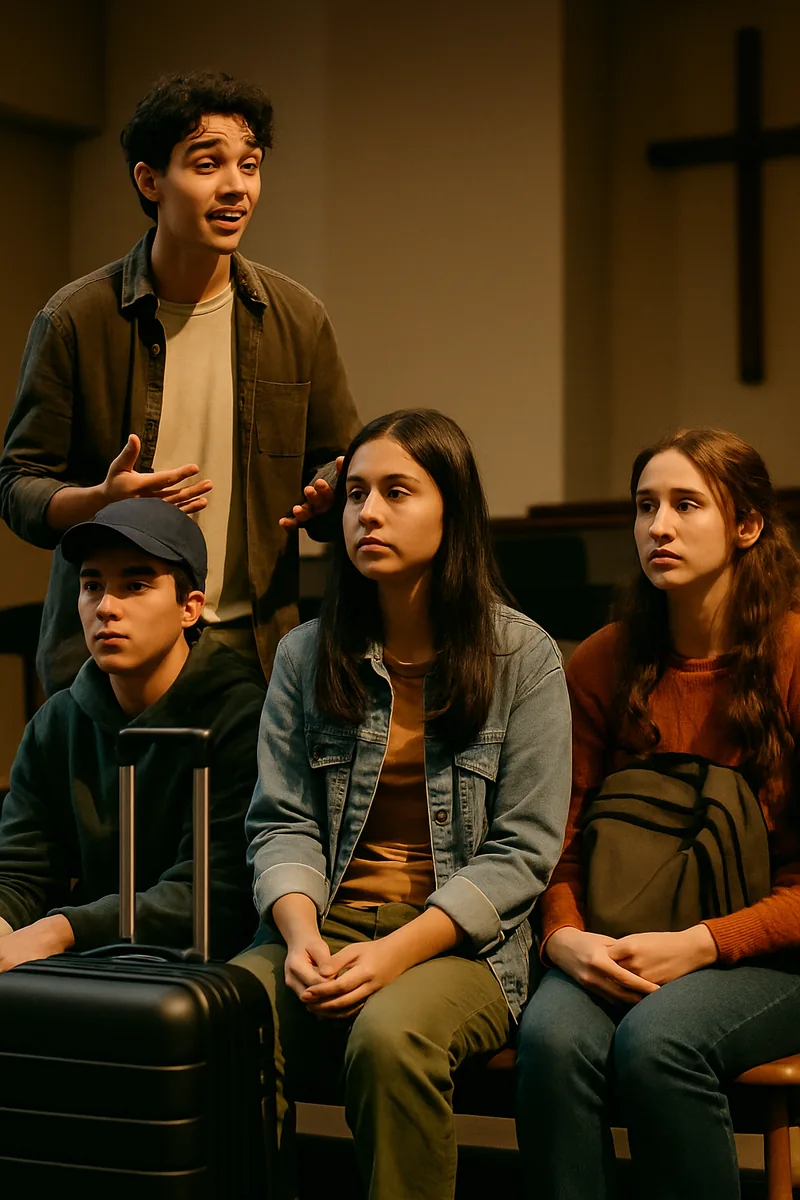
A youth group waits on a symbolic train platform, each character representing a different response to God’s calling. Some are eager to leave their comfort zone, while others make excuses people often use when avoiding the mission field: school stress, fear of embarrassment, or the only problem of “not feeling ready.”
The platform setting allows for different backgrounds using simple props or projected visuals, making it adaptable for church skits during Sunday worship or special services like graduation or new years gatherings. A narrator helps guide the audience, similar to plays readers theatre español, making the message clear even for younger audiences.
As the countdown to departure approaches, one character—a little girl—asks simple questions that expose the inconsistency of the older youth’s excuses. Her childlike faith becomes the turning point of the skit.
The end of the skit emphasizes that following Jesus Christ does not always require crossing oceans. Sometimes it means stepping onto the “train” God has placed right in front of us.
Life application focuses on recognizing daily mission opportunities at school, in the United States, and within church gatherings.
Time: 10 minutes Cast Size: 5–7 Format: Downloadable PDF
This humorous skit opens with youth arguing over who should be the “main actors” in a church drama. Each wants a visible role, while no one wants to handle behind-the-scenes tasks like setup, cleanup, or serving at a soup kitchen.
A leader introduces the idea that letting your light shine does not always happen on a stage. Through short scenes and mini skits, the group acts out everyday situations—helping a classmate, standing up for truth, and showing kindness when it is inconvenient.
The skit gently connects these moments to the word of God and the kingdom of heaven, reminding students that God’s power is revealed through obedience, not applause. References to the holy spirit help ground the message in faith rather than performance.
This skit works well for younger audiences and can be used around events like sunday school teacher appreciation day or memorial day services where service and gratitude are key themes.
Time: 15 minutes Cast Size: 8–10 Format: Downloadable PDF
Inspired by Abraham’s big decision, this skit retells the biblical story in a modern context. A teen is offered a “free ticket” to an exciting future—but only if they are willing to leave what feels safe.
Friends act as voices of doubt, logic, and fear, echoing the same excuses people still make today. One character sarcastically compares God’s call to an impossible task, while another questions whether faith is relevant in a search engine-driven world.
A narrator ties the story back to the word of God and the free offer of eternal life, showing that obedience often comes before understanding. The skit avoids being preachy by allowing tension, humor, and honest questions to unfold naturally.
This skit is ideal for youth group nights, Easter gatherings, or Father’s Day services where faith and obedience are central themes.
Time: 15 minutes Cast Size: 7–9 Format: Downloadable PDF
“Comfort Zone” centers around a group of teens planning a church event. They want something safe, familiar, and guaranteed not to fail. When a leader introduces the idea of serving outside the church walls—such as a soup kitchen or community outreach—the group pushes back.
Each character represents a different mindset: fear of embarrassment, fear of rejection, and fear of failure. One student even jokes about needing “mg tablets” to calm their nerves before talking to strangers, adding light humor that keeps the tone accessible.
The skit contrasts staying comfortable with stepping into the mission field God places before us. As the story unfolds, the group discovers that faith grows when action comes first.
This skit works well during church skits tied to thanksgiving, mother’s day, or general Sunday morning services where practical faith is emphasized.
Time: 20 minutes Cast Size: 9–11 Format: Downloadable PDF
This longer skit explores how youth communicate the gospel in different ways. Set during a casual church gathering, students brainstorm how to explain the good news to friends who have never attended church.
Some suggest complicated explanations, while others rely on humor or memorized lines. One character compares sharing faith to a “birth of a salesman” moment—trying to close a deal rather than share truth. This leads to thoughtful discussion within the skit itself.
A turning point comes when a character explains the free offer of eternal life in simple, honest language. The skit reinforces that mission is not about pressure or perfection, but clarity and love.
The end of the skit includes a clear life application, encouraging youth to trust God’s power rather than their own words. This skit fits well for Easter, Valentine events, or youth-focused Sunday worship services.
Time: 10 minutes Cast Size: 6–8 Format: Downloadable PDF
This short, fast-paced skit uses humor to expose the many excuses people give for avoiding God’s mission. A group of youth are asked to participate in a simple outreach opportunity after Sunday worship. Each responds with increasingly creative reasons why they cannot help.
The skit moves quickly through exaggerated but relatable excuses: too busy, not prepared enough, not “holy” enough, or waiting for the perfect moment. One character insists they need to study the ten commandments more before speaking to anyone, while another claims outreach is only for pastors or missionaries.
A narrator briefly pauses the action to connect these moments to real life, helping younger audiences understand how avoidance can look spiritual on the surface. The skit ends when a quiet character steps forward and reminds the group that sharing the good news is not about readiness, but willingness.
This skit works well as a mini skit during Sunday morning services or as part of a youth group discussion starter with strong life application.
Time: 15 minutes Cast Size: 7–10 Format: Downloadable PDF
Set in familiar environments—school hallways, sports practice, and family gatherings—this skit challenges the idea that mission only happens far away. The characters assume that mission work requires travel, fundraising, and dramatic stories.
A leader figure reframes the conversation, pointing out that the mission field includes classrooms, neighborhoods, and everyday relationships. Scenes shift using simple transitions and different backgrounds to show how faith shows up in ordinary places.
One scene involves a younger student struggling with loneliness, allowing the message to resonate with younger audiences. Another scene shows a teen wrestling with how to speak truth without sounding judgmental.
The skit emphasizes the role of the holy spirit in guiding conversations and highlights that God’s power often works quietly. This skit is a great fit for youth group nights, mother’s day services, or general church gatherings focused on discipleship.
Time: 20 minutes Cast Size: 9–11 Format: Downloadable PDF
This longer drama centers on a group of teens given what they believe is an impossible task: planning a meaningful outreach event with limited time, resources, and confidence. Early scenes show frustration, comparison, and doubt.
One character jokes that trying to reach others with faith is harder than solving complex problems with a search engine. Another believes mission only works during big events like Easter or Christmas story productions.
As the skit unfolds, the group learns that obedience matters more than scale. Small acts—listening, serving, and praying—begin to change both the group and those around them. The story intentionally slows near the end of the skit, allowing the message to settle.
This skit is ideal for longer youth services, retreats, or seasonal moments like Father’s Day or graduation, where reflection and calling are natural themes.
Time: 20 minutes Cast Size: 8–11 Format: Downloadable PDF
The final skit explores different ways of sharing the same gospel message. Set during a planning meeting for upcoming church skits and drama scripts, the group debates tone, style, and approach.
Some favor humor, others prefer serious teaching, while a few argue that faith should stay private. Short scenes illustrate each approach, including a humorous skit that goes wrong and a serious moment that feels disconnected.
The turning point comes when the group realizes that while styles differ, the message remains the same: the good news of Jesus Christ and the free offer of eternal life. The skit affirms that God uses different personalities and voices for different people.
The end of the skit clearly connects mission to daily life and encourages students to trust the word of God rather than copying someone else’s method.
This skit works especially well for youth group programs, topical index-style teaching nights, or services tied to major church calendar moments.
Mission skits resonate with youth because they translate big spiritual ideas into everyday situations. Instead of abstract teaching, students see faith lived out through characters who struggle, hesitate, make excuses, and eventually respond to God’s call. This mirrors real life far more effectively than lectures alone.
For younger audiences especially, drama creates emotional memory. A scene on a train platform or a moment of hesitation in a comfort zone is easier to remember than a list of instructions. Over time, these visual moments help reinforce the message of the gospel and the role youth play in sharing it.
Using Mission Skits in Sunday Worship
Mission skits are not limited to youth nights. When placed thoughtfully within Sunday worship, they can unify the congregation around a shared message.
Preparing the Congregation
A brief introduction before the skit helps the audience understand what to watch for. This is especially important in intergenerational settings where not everyone is familiar with youth-led drama. A simple sentence about mission, obedience, or the good news sets expectations without giving away the message.
Placement Within the Service
Mission skits work particularly well:
Before the sermon, to introduce a theme
After Scripture reading, to illustrate the word of God
Before prayer, to guide reflection
They also fit naturally into services connected to Easter, Mother’s Day, Father’s Day, graduation, or Thanksgiving, when themes of purpose and calling are already present.
Adapting Skits for Youth Group Settings
Youth group environments allow more flexibility and interaction, making them ideal for mission-focused drama.
Smaller Spaces, Stronger Impact
Unlike formal stages, youth rooms often require minimal setup. Chairs, backpacks, or simple props can represent different backgrounds or locations. This keeps rehearsals manageable and reduces pressure on students.
Encouraging Participation
Mission skits are a great way to involve students who may not normally speak up. Group scenes, narrators, or shared lines help distribute responsibility. When students see that serving does not require perfection, confidence grows.
Connecting the Skit to Life Application
A mission skit should never stand alone. The real impact comes from what happens after the final line.
Discussion Questions That Matter
After the end of the skit, leaders can guide conversation with questions such as:
Which character felt most relatable?
What excuses people used stood out to you?
Where might God be calling you to step out this week?
These questions help youth connect the story to their own lives rather than viewing it as entertainment only.
Moving From Drama to Action
Whenever possible, link the skit to a tangible response. This might include:
Planning a service project
Supporting a local mission field
Writing encouragement notes
Serving together at a soup kitchen
When youth act on what they’ve seen, the message becomes real.
Using Humor Without Losing the Message
Humor is a powerful tool in church skits, especially with teens. A humorous skit lowers defenses and invites engagement, but it must serve the message rather than distract from it.
When Humor Helps
Humor works best when it:
Highlights common fears or excuses
Exposes misunderstandings gently
Makes serious truth approachable
Laughter opens hearts, creating space for the gospel to be heard.
When to Pull Back
If humor overshadows the good news or leaves the audience unsure of the message, it loses effectiveness. The strongest mission skits balance light moments with clear spiritual direction by the end.
Making Mission Skits Accessible for Younger Audiences
Not all youth are the same age or maturity level. Mission skits should be flexible enough to adapt.
Simple Language, Clear Ideas
Clear dialogue helps younger audiences follow the story. Avoid overly complex explanations and let actions speak where possible. Visual cues often communicate more than long speeches.
Short Scenes and Transitions
Breaking skits into short scenes or mini skits keeps attention high. Simple transitions—like countdowns or narrator cues—help maintain flow without confusion.
Choosing the Right Skit for Your Church
Every church context is different, and mission skits should support—not strain—your resources.
Matching Time and Cast Size
Selecting a skit that fits your available time and number of youth helps ensure success. Printable skits with clear production order reduce last-minute stress and make rehearsals smoother.
Aligning With Church Themes
Mission skits can complement sermon series, seasonal themes, or special church gatherings. When drama aligns with the broader message, it feels intentional rather than inserted.
Why Printable Mission Skits Matter
Having skits in downloadable PDF format gives leaders flexibility. Scripts can be shared, highlighted, rehearsed, and reused. This also makes it easier to plan ahead and incorporate drama consistently rather than as a last-minute addition.
Over time, mission skits become part of a church’s culture—helping youth understand that sharing faith is not an impossible task, but a natural response to God’s love and calling.
George Hendricks is the founder and managing editor of Godsverse.org. He has written and published over 200 skit reviews, church resource guides, and Bible study articles. With a background in data-driven content strategy and digital publishing, George built Godsverse into one of the most comprehensive collections of church skit reviews and printable scripts online. When he's not writing, he's researching what churches actually need and figuring out how to deliver it.















I would love to purchase The Impossible Task play for my middle school homeschool co-op acting class. How do I do this?
Hi Rebekah! We have just published these skits to our store in case you are still interested.