For church leaders, planning a Maundy Thursday service can be both meaningful and challenging. With so many elements to consider—from foot-washing rituals to Tenebrae reflections—crafting a service that allows congregants to fully experience the weight and beauty of Holy Thursday takes thoughtfulness and creativity. To help you design a memorable service, here are 57 Maundy Thursday service ideas that blend tradition with fresh perspectives, offering ways to incorporate scripture, song, and symbolism. These ideas are tailored to engage your congregation, whether through a quiet time of prayer, a reenactment of the Last Supper, or a candlelit reflection on the humility and love of Jesus.
Maundy Thursday, also known as Holy Thursday, is a sacred day in the Christian calendar that commemorates the Last Supper of Jesus Christ with His disciples. Falling within Holy Week and leading into Good Friday, this day invites reflection, reverence, and a deepened sense of the love and sacrifice of Jesus. From the washing of the disciples’ feet to the breaking of bread, Maundy Thursday is rich with powerful symbols that resonate with themes of humility, service, and the new commandment to “love one another as I have loved you.”
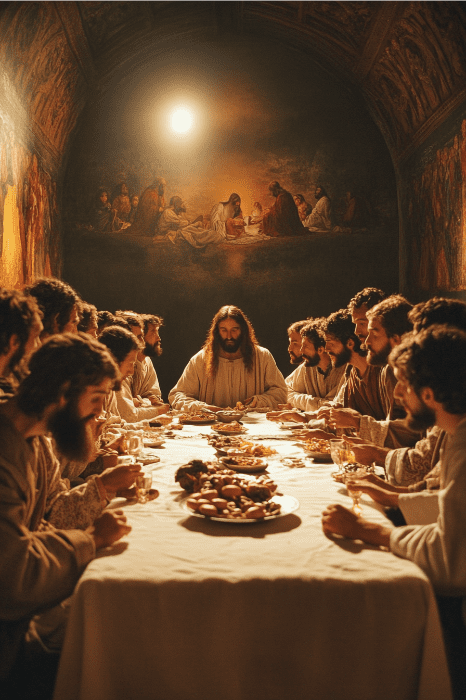
Host a reenactment of the Last Supper in the fellowship hall. Members of the congregation can take on the roles of the disciples, with a leader taking the role of Jesus, reading aloud the words of institution over a loaf of bread and grape juice.
Maundy Thursday Skits — Ready to Rehearse This Week
$24.99
A powerful drama set during the Last Supper — captures the weight of that final evening before the cross. Flexible cast, simple staging. Perfect for a reflective Maundy Thursday service.
Print & share within your church · Maundy Thursday is April 2
2. Foot Washing Ceremony – Maundy Thursday service ideas
Create a symbolic foot-washing service inspired by Jesus washing His disciples’ feet. Use a bowl of water and encourage participants to either wash each other’s feet or symbolically wash their own hands as an act of humility and love, following the example of Jesus.
3. “Upper Room” Reflection Experience – Maundy Thursday service ideas
Transform a space in the church into an “upper room” setting with low lighting, candles, and the communion table set with bread and wine (or grape juice). Encourage attendees to reflect on the events that took place in the upper room on the night Jesus shared the Last Supper with His disciples.
4. Words of Jesus Meditation – Maundy Thursday service ideas
Lead a reflective meditation on the words of Jesus spoken during His last supper and through Holy Week. Allow time for silent meditation between readings to create a contemplative environment.
5. Prayer of Confession Service – Maundy Thursday service ideas
Begin the service with a communal prayer of confession, allowing everyone to seek God’s forgiveness and prepare their hearts for the Lord’s Supper. This creates a meaningful time of humility and repentance, setting the tone for the night.
6. Remembrance of Jesus Christ through Scripture Readings – Maundy Thursday service ideas
Structure the service with readings that walk through the last days of Jesus’ life, including Palm Sunday, Maundy Thursday, Good Friday, and Holy Saturday. Each reading can be followed by a reflective hymn or instrumental music.
7. Stripping of the Church – Maundy Thursday service ideas
Conclude the service with a powerful symbolic response: the stripping of the altar and sanctuary to symbolize the abandonment of Jesus on the night of His betrayal. This act can be paired with solemn instrumental music or silence.
8. Agape Meal or “Feast of Love”
Host a simple meal in the style of the early Christian community, reflecting the “feast of love.” Participants can share bread and soup, symbolizing fellowship and the love of God.
9. Communion with a Single Loaf of Bread
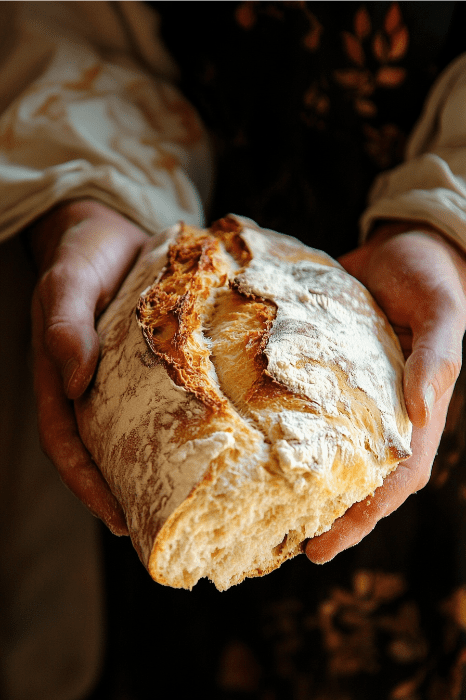
Use one loaf of bread for the Lord’s Supper, which everyone breaks a piece from to symbolize unity in the body of Christ. This act emphasizes the communal nature of the meal Jesus shared with His disciples.
10. “Bowl of Water” Symbolism – Maundy Thursday service ideas
Place a bowl of water at the entrance and invite attendees to dip their hands as a symbolic reminder of Jesus washing His disciples’ feet. Include a prayer of confession for quiet reflection on humility and service.
11. Tenebrae Service with Gradual Darkness
Hold a Tenebrae service with readings that follow Jesus’ journey from the Last Supper to His arrest. Gradually dim the lights after each reading, ending in near darkness to signify the somberness of the night.
12. Incorporating the Words of Institution
Include a reading of the words of institution during the communion portion of the service, inviting everyone to reflect on the body and blood of Christ given for their salvation.
13. Readings and Reflections from the Disciples’ Perspective
Select passages that explore the responses of the disciples, offering reflections on their reactions and feelings during Jesus’ final night. This can provide unique insights into the humanity of Jesus’ followers.
14. Foot Washing with the High Priest’s Slave Reading
Reflect on the servant heart of Jesus by reading the story of Jesus healing the high priest’s slave during His arrest. Pair it with a foot-washing ritual to emphasize Jesus’ example of mercy and humility.
15. Reading the “New Commandment”
Read aloud Jesus’ words from John 13:34–35, where He gives the new commandment to “love one another.” Encourage the congregation to reflect on how they can embody Christ’s love in their daily lives.
16. “Garden of Gethsemane” Prayer Vigil
Create a prayer vigil to follow the service, where participants can spend time in prayer, reflecting on Jesus’ night in the garden of Gethsemane. Use low lighting to create a solemn, meditative atmosphere.
17. Communion Table as a “Special Meal”
Set the communion table to resemble a Passover meal, symbolizing the Last Supper. Include unleavened bread and grape juice, with a brief explanation of how this meal prefigures the sacrifice of Jesus.
18. Singing “Wondrous Love” Hymn
Incorporate the hymn “What Wondrous Love Is This” as part of the service. The song’s reflective tone fits the themes of Maundy Thursday, especially when paired with communion.
19. Tenebrae with the Christ Candle
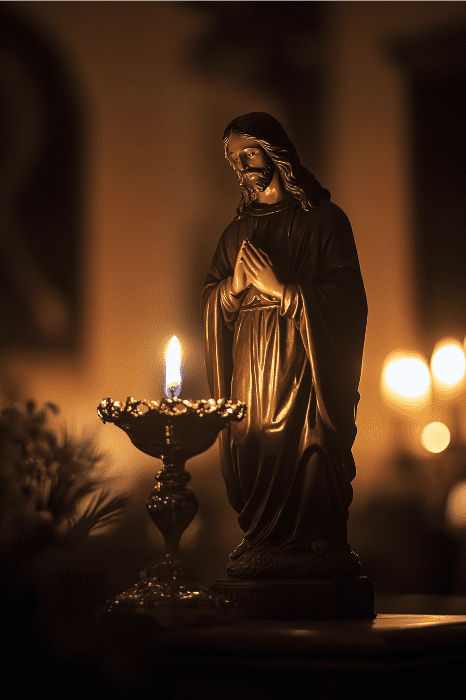
Use a Christ candle that remains lit until the end of the service, symbolizing Jesus’ presence. As the lights dim, extinguish the candle as a final act to signify Jesus’ arrest and approaching crucifixion.
20. “Words of Jesus” Interactive Service
Create an interactive experience where participants respond aloud to prompts based on Jesus’ words at the Last Supper, reflecting on the deep significance of His final teachings.
21. Bowl of Water and Towel Symbols for Reflection
Place bowls of water and towels at various points in the sanctuary, inviting participants to reflect on the humble service of Jesus. They can take a moment to pray or read a passage about the washing of the disciples’ feet.
22. Stripping of the Church with “O Sacred Head Now Wounded”
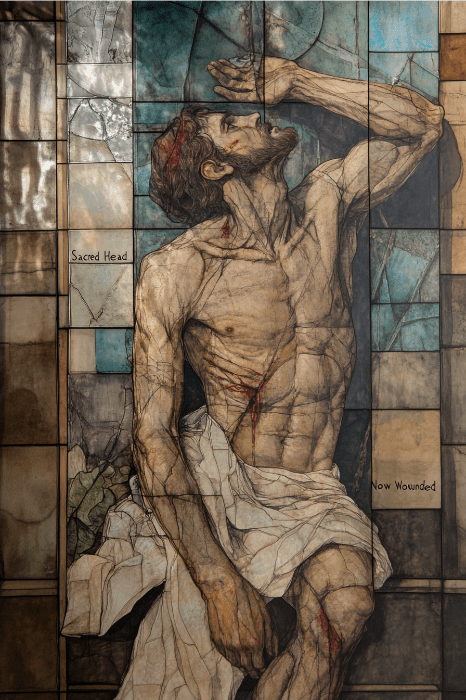
Conclude the service by stripping the altar and sanctuary while playing the hymn “O Sacred Head Now Wounded.” This solemn act reinforces the solemnity of the night and the abandonment Jesus experienced.
23. Breaking Bread in Silence
Offer communion in complete silence, allowing each participant to break a piece of bread in remembrance of Jesus, focusing on the weight and sacrifice of His actions.
24. Visual Symbolism of the Blood of the New Covenant
Display a red cloth on the communion table as a visual representation of the blood of the new covenant. This helps connect the elements of the Lord’s Supper with Jesus’ sacrifice.
25. Reading of Psalm 22: “My God, My God”
Include a reading of Psalm 22, which Jesus quoted on the cross. This passage sets a solemn tone and connects the Old Testament prophecies with Jesus’ suffering.
26. Use of Backing Tracks for Hymns and Reflections
Use backing tracks of hymns or meditative instrumental music during readings and prayers. This adds a layer of reverence without requiring a choir or full musical arrangement.
27. “Bread and Grape Juice” Unity Ceremony
Pass around bread and grape juice, encouraging each person to take part in the symbolic “feast” of unity that Jesus shared with His disciples. Reflect on the bond we share as God’s people through this holy meal.
28. Communion with “Bread of Life” Meditation
Before partaking in communion, share a meditation on Jesus as the “Bread of Life” (John 6:35). This connects the act of communion with Jesus’ promise to sustain and nourish us spiritually.
29. “Piece of Bread” Symbolism
Invite each participant to take a single piece of bread and hold it while listening to the story of Jesus at the Last Supper. Encourage reflection on how this symbolizes unity with Christ and each other in the Christian community.
30. Candlelight Foot Washing
Incorporate candlelight into a foot-washing ceremony to create an intimate, reflective atmosphere. Participants can either wash each other’s feet or wash their own hands as a symbolic act of humility.
31. “Garden of Gethsemane” Silent Walk
Conclude the service with a guided, silent “walk” in the sanctuary or outdoor space that represents the journey Jesus took in the Garden of Gethsemane. Encourage participants to pray and reflect on His words, “Not my will, but yours be done.”
32. Story of Jesus’ Arrest Reflection
Share the story of Jesus’ arrest and the responses of His disciples. Reflect on their fear and confusion, inviting participants to consider times they’ve faced fear in their own faith journey.
33. “New Commandment” Candle Lighting
Distribute candles to each participant and read John 13:34–35, where Jesus gives the new commandment to “love one another.” Encourage everyone to light their candle as a commitment to live out Christ’s love.
34. Reading the Passover Story
Include a reading of the traditional Passover story from Exodus to remind participants of the Jewish roots of the Last Supper. This connects the Old and New Testaments, showing the Passover meal as a foreshadowing of Christ’s sacrifice.
35. Sacred Silence and Meditation
Offer a period of silence where participants can reflect on the story of Jesus’ last supper, the washing of the disciples’ feet, and His prayer in Gethsemane. Encourage them to meditate on these events in a deeply personal way.
36. “Merciful God” Prayer Time
Incorporate a communal prayer acknowledging our need for God’s mercy, in line with Jesus’ sacrifice. This can be a prayer of confession and forgiveness, inviting participants to turn to God in humility.
37. Love of Jesus Reflections
Guide the congregation through short reflections on the love of Jesus, especially as shown through His acts of service on Holy Thursday. Encourage sharing stories of ways they’ve experienced God’s love.
38. Washing the Communion Table
Before communion, conduct a ceremonial washing of the communion table to symbolize purity and preparation. This is a visual reminder of the sanctity of the Lord’s Supper.
39. Cross in the “Upper Room”
Set up a cross in the “upper room” area, where attendees can write prayers or notes of gratitude and leave them at the foot of the cross. This represents laying their burdens down and surrendering to God.
40. Blessing with “Holy God” Invocation
Begin or end the service with a blessing that acknowledges the holiness of God. Recite a passage like Isaiah 6:3, “Holy, holy, holy is the Lord Almighty,” to honor the reverence of the night.
41. Symbolic Use of Red and Purple Cloth
Drape the altar or communion table in red and purple cloth to represent both the sacrifice and the kingship of Christ. This can serve as a visual reflection on the themes of suffering and royalty.
42. Taizé-Style Chanting
Incorporate Taizé-style chanting of phrases like “Jesus, remember me when you come into your kingdom.” This style of worship, known for repetition and meditation, fosters a deeply reflective atmosphere.
43. “Own Homes” Streaming Option
Provide a live-streamed Maundy Thursday service so participants can follow along and reflect from their own homes, creating a sense of connectedness even if they can’t attend in person.
44. Prayers of the People for Holy Thursday
Include a time for communal prayer, where participants can share their prayers for the world, the church, and their own needs. Emphasize the role of community prayer in following Jesus’ example of selflessness.
45. Response of the Disciples Drama
Use a short drama or monologue to reenact the reactions of the disciples during the Last Supper. Each “disciple” can share their reflections on Jesus’ words, making the events feel more personal and relatable.
46. Using a “Christ Candle”
Incorporate a Christ candle into the service and extinguish it at the end, symbolizing the darkness of the night Jesus was betrayed. Relight the candle on Easter Sunday as a symbol of His resurrection.
47. “Piece of Silver” Coins Reflection
Place a few silver coins near the communion table to remind participants of Judas’ betrayal. Encourage quiet reflection on loyalty and faithfulness to Christ.
48. Large Crowd Reading
Have a group reading where the congregation acts as the crowd during Jesus’ arrest. This interactive element can foster empathy for the experience of Jesus and His disciples.
49. Remembrance of Jesus through Song
Sing hymns focused on remembrance, such as “Were You There” or “When I Survey the Wondrous Cross.” These songs encourage reflection on the significance of Jesus’ sacrifice.
50. Bowl of Water with “Hands of Service”
Have a large bowl of water available at the entrance where participants can wash their hands as a symbol of their commitment to serve others in Jesus’ name.
51. Litany of Holy Thursday Readings
Use a series of responsive readings based on Jesus’ last night with His disciples. Incorporate phrases like “Lamb of God” and “Prince of Peace” to highlight Jesus’ roles as redeemer and comforter.
52. Blessing of a Shared Loaf of Bread
Pass a single loaf of bread from one person to the next, symbolizing the unity of the Christian community. Each person can break a small piece to take with them as a reminder of the body of Christ.
53. “Commandments of Jesus” Activity
Read Jesus’ commandments to love one another and forgive one another. Invite participants to reflect on ways they can live out these commandments, especially during Holy Week.
54. Reflection on Jesus’ “Own Hands”
Lead a reflection on Jesus using His own hands to serve, heal, and ultimately offer Himself on the cross. Invite participants to consider how they might use their hands to serve God and others.
55. Hymn Sing with “Different Songs” of the Passion
Sing hymns that tell the story of Jesus’ passion, each hymn focusing on a different part of the story—from the Last Supper to the Garden of Gethsemane to the crucifixion.
56. Traditional Service of Holy Communion with Reading Parts
Include “reading parts” for different participants, allowing various voices to share parts of the story of Jesus’ last night. This creates a more communal experience of the Lord’s Supper.
57. Visual Meditation on the Blood of the New Covenant
Use red fabric or red lighting to symbolize the blood of the new covenant as participants meditate on the sacrifice of Jesus. This can serve as a powerful reminder of Christ’s gift.
58. Garden of Gethsemane Solo Instrumental
Play a solo instrumental piece, such as a violin or cello, to represent Jesus’ time of trial and prayer in Gethsemane. Encourage silent reflection during the music.
59. “The Last Time” Reflection
Reflect on the idea that Maundy Thursday was the last meal Jesus shared with His disciples before His death. Invite participants to reflect on how they might treasure every moment with loved ones.
60. “Bread of Heaven” Meditation
Lead a meditation on Jesus as the “Bread of Heaven.” This connects the idea of Jesus as the sustainer of life with the act of communion, creating a deeper connection for participants.
61. Prayers of the People with “God’s Steadfast Love” Theme
Focus the Prayers of the People on God’s steadfast love and His willingness to sacrifice for us. Encourage prayers for those in need and for the church community to show God’s love.
62. Reflection on Jesus’ First Disciples and Their Struggles
Share reflections on the struggles and growth of Jesus’ first disciples. This allows participants to see themselves in the disciples’ journey of faith and doubt.
63. Love of God Candle Service
Use candles to represent the love of God. Each participant can light a candle to symbolize their commitment to show the love of Christ to others.
64. Traditional Maundy Thursday Service in Candlelight
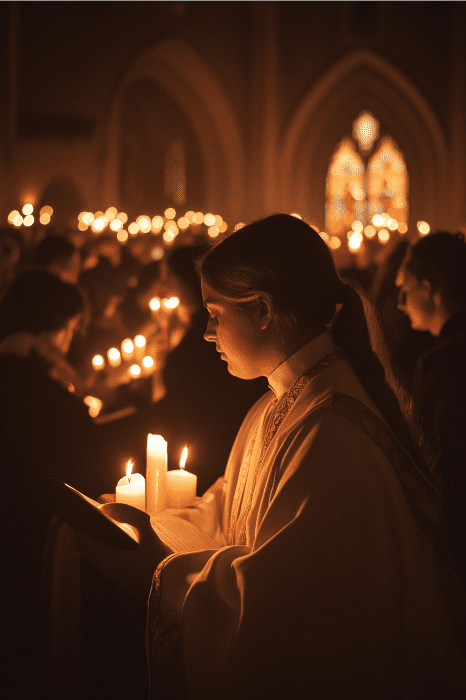
Hold a traditional service with candlelight only, creating a solemn atmosphere. Use readings and hymns focused on the events of Holy Thursday.
65. Prayers of Confession with Words of Jesus
Offer a prayer of confession based on Jesus’ words to His disciples. Allow each participant to reflect on areas in their life where they can follow Jesus’ teachings more closely.
66. “Final Supper” Meditation and Reflection
Reflect on the significance of the Last Supper as a farewell meal and a moment of fellowship. Invite participants to consider how they might honor Jesus’ example in
their lives.
67. Sharing a “Loaf of Bread” with Reflection on Unity
Pass a loaf of bread around, inviting participants to take a piece and reflect on the unity of the body of Christ. This connects them to the larger Christian community.
68. Symbolic “Pieces of Silver” to Represent Temptation
Give each participant a small “coin” symbol, inviting them to reflect on temptations in their own life and the ways they can stay faithful to Jesus.
Conclusion: Embracing the Heart of Maundy Thursday
As we conclude our 57 ideas for Maundy Thursday, remember that this evening is more than just a service; it’s an invitation to step into the story of Jesus’ love and humility. Each act—from the breaking of bread to the washing of feet—offers a profound glimpse into the heart of Christ, who willingly served, sacrificed, and commanded us to “love one another.”
Whether your service focuses on traditional elements, like the Tenebrae and communion, or introduces new, reflective practices, the goal is to bring your congregation closer to the reality of Jesus’ final night with His disciples. Through each symbol, song, and moment of silence, may participants find renewed purpose in their faith, an enduring sense of God’s steadfast love, and a deepened commitment to serve as Christ did.
As you lead your congregation in this Holy Week journey, may your Maundy Thursday service inspire a heartfelt response to live out the love, grace, and humility of Jesus, preparing everyone for the profound hope of Easter morning.
Frequently Asked Questions
What can I serve on Maundy Thursday?
Many Christians choose a simple meal on Maundy Thursday to remember the Last Supper. Some serve soup, bread, grapes, and juice or wine, focusing on fellowship rather than a fancy menu. Others host a Mediterranean-style meal with olives, flatbread, and hummus. You might read the story from John 13 or Luke 22 at the table and close with Communion if appropriate. The goal is not gourmet food, but a humble, Christ-centered time that points to Jesus’ servant heart.
What are seven ways to serve the Lord?
There are countless ways to serve God, but seven practical ones include: worshiping faithfully with your church; praying regularly for others; using your gifts in a ministry or volunteer role; giving generously; sharing the gospel with gentleness and respect; showing hospitality to neighbors and strangers; and caring for the poor, lonely, and hurting. None of these require a special title—only a willing heart. When we serve others in Jesus’ name, He counts it as service to Himself.
What does a Maundy Thursday service look like?
A Maundy Thursday (Holy Thursday) service typically remembers the night before Jesus’ crucifixion. Many churches include Scripture readings from John 13 and the Last Supper, celebration of Holy Communion, and sometimes a foot-washing to symbolize humble service. The atmosphere is usually quiet and reflective. Some congregations end by stripping the altar or darkening the sanctuary, pointing toward the sorrow of Good Friday. While traditions differ, every Maundy Thursday service centers on Christ’s command to love one another as He has loved us.
What is the purpose of a Maundy Thursday service?
The purpose of Maundy Thursday is to remember Jesus’ final evening with His disciples—the washing of feet, the new commandment to love, and the institution of the Lord’s Supper. “Maundy” comes from the Latin for “command,” highlighting Christ’s call to servant love. This service prepares our hearts for Good Friday by drawing us close to Jesus’ humility, obedience, and sacrificial love. It invites believers to examine their hearts, receive God’s grace, and recommit themselves to loving service.
How can I observe Holy Thursday at home?
If you cannot attend church, you can still honor Holy Thursday at home. Read John 13 and Luke 22 together, and talk about what Jesus’ servant heart means for your family. Share a simple meal, perhaps including bread and grape juice, and pray for one another. You might wash each other’s hands or feet as a symbol of serving in love. End the evening quietly, thanking Jesus for His sacrifice and asking the Holy Spirit to help you obey His command to love.
What color should I wear on Holy Thursday?
In many liturgical traditions, the color for Maundy Thursday is white, symbolizing purity, celebration of the Lord’s Supper, and Christ’s love. Some churches also use shades of gold or off-white. There is no strict rule for what the congregation must wear, but choosing simple, respectful clothing in lighter colors can reflect the tone of the service—sober yet full of grace. If your church follows a particular custom, it’s helpful to check with your pastor or worship leader.
What hymns are commonly sung on Maundy Thursday?
Hymns for Maundy Thursday often focus on the cross, the Lord’s Supper, and Christ’s command to love. Favorites include “When I Survey the Wondrous Cross,” “O Sacred Head, Now Wounded,” “Let Us Break Bread Together,” and “Go to Dark Gethsemane.” Some churches sing songs about servanthood, such as “The Servant Song” (“Brother, Sister, Let Me Serve You”). These hymns help worshipers remember Jesus’ humility, His gift of Himself in Communion, and His call to love one another.
What should I avoid doing on Maundy Thursday?
Find the right bundle for your church
Explore scripts for Christmas, Easter, youth groups and services throughout the year. Choose a bundle to see what’s included.
Scripture doesn’t give a list of “don’ts” for Maundy Thursday, but the spirit of the day is reverent and focused on Jesus’ final hours with His disciples. It’s wise to avoid activities that distract from that focus—such as loud, self-centered entertainment or arguments and grumbling. Instead, seek quiet, prayerful attitudes, acts of service, and reconciliation where needed. Keeping the evening uncluttered allows space to remember Christ’s sacrifice and prepares your heart for the solemnity of Good Friday.
What colors are appropriate to wear to church on Good Friday?
Good Friday services are solemn, remembering the crucifixion of Jesus. In many churches, clergy wear black or red, and the sanctuary may be decorated very simply or left bare. For worshipers, modest clothing in darker or neutral colors—such as black, gray, navy, or deep red—often fits the reflective tone. There is no biblical dress code, but choosing sober colors can help your own heart, and those around you, enter into the gravity and grace of Christ’s sacrifice on the cross.
George Hendricks is the founder and managing editor of Godsverse.org. He has written and published over 200 skit reviews, church resource guides, and Bible study articles. With a background in data-driven content strategy and digital publishing, George built Godsverse into one of the most comprehensive collections of church skit reviews and printable scripts online. When he's not writing, he's researching what churches actually need and figuring out how to deliver it.