In this article, we’ve compiled the 10 best Black History church skits, each designed to leave a lasting impression. Whether you’re planning a church worship service, a school assembly, or a ticketed event, these skits offer a range of themes, from faith and resilience to humor and innovation. With stories of heroes like Rosa Parks, Ruby Bridges, and Dr. Martin Luther King Jr., as well as creative fictional narratives, there’s something here for every audience.
Each skit is crafted to suit different time constraints, cast sizes, and performance styles. Many of these are available in digital form, making them easy to download, customize, and share. Whether you’re looking for a dramatic retelling of historical events, a faith-filled story, or even a funny skit to lighten the mood, these Black History skits are perfect for engaging all ages.
Get ready to explore meaningful performances that will inspire, educate, and bring your congregation together in celebration of Black history. Let’s dive in!
Black History Month is a time to honor the remarkable stories, struggles, and triumphs of African Americans throughout history. What better way to engage your church congregation, youth group, or community than with powerful and inspiring skits that bring these stories to life? Skits offer a unique blend of education and entertainment, making them an impactful way to teach important lessons, spark conversations, and celebrate African American culture and faith.
1. “Rosa and Claudette: The First Step Toward Change”
Description: This skit highlights the courageous stories of Rosa Parks and Claudette Colvin during the Montgomery Bus Boycott. It emphasizes their pivotal roles in the civil rights movement. The performance starts with Claudette’s lesser-known act of defiance and transitions to Rosa’s iconic stand, framed by the voice of a narrator to bring context and connect the stories. The skit includes opportunities for small group discussions and can end with a call to action for the audience.
Theme of the Work: Social justice, the power of unity, and faith in action.
Duration: 12–15 minutes
Actors: 8–10 (Rosa, Claudette, bus driver, passengers, narrators, and Dr. King)
Description: This short play tells the story of Ruby Bridges, the first African American child to integrate a New Orleans school. The skit focuses on her unwavering faith and courage despite racial tension, supported by Bible readings that reflect her prayers for a better life. The voice of the narrator guides the audience through her experiences and includes moments for audience engagement, such as singing a hymn that Ruby might have sung.
Theme of the Work: Overcoming adversity through faith and perseverance.
Description: A dramatic retelling of Sojourner Truth’s life, this skit explores her journey from the horrors of slavery to becoming a powerful abolitionist and advocate for women’s rights. The skit uses short dialogues from her famous speech, “Ain’t I a Woman?” interspersed with hymn performances to convey the depth of her faith and mission. The audience learns about her resilience and her contributions as an important contributor to American history.
Theme of the Work: Faith as a driving force for justice and equality.
Description: This fun hip-hop ELA rap musical introduces DJ Kool Herc, the Jamaican-American who founded hip-hop in the Bronx. The skit follows a fictional story of a black youth who uses music to unite his community, touching on themes of identity and innovation. This skit integrates vocal music and pop-culture references, making it ideal for middle school or high school students.
Theme of the Work: Creativity and cultural resilience.
Duration: 8–10 minutes
Actors: 6–8 (DJ Kool Herc, black youth, friends, and a narrator)
Description: This reader’s theater play brings to life the story of Jackie Robinson, the first African American to play Major League Baseball. The skit covers his struggles with racial tension, his faith, and the role of church communities in supporting him. The play ends with a heartfelt dialogue between Jackie and a young fan inspired by his perseverance.
Theme of the Work: Courage under pressure and faith in achieving dreams.
Duration: 12–15 minutes
Actors: 8–10 (Jackie, teammates, coach, young fan, narrator)
Description: Set on a plantation, this skit depicts enslaved people secretly gathering for worship in hush harbors, where they find solace in hymns and Scriptures. The skit highlights how songs like “Wade in the Water” were both spiritual and coded messages for escape. The theme of the work ties faith and resilience to the fight for freedom.
Theme of the Work: Faith as a means of survival and resistance.
Duration: 12 minutes
Actors: 6–8 (enslaved individuals, overseer, and narrator)
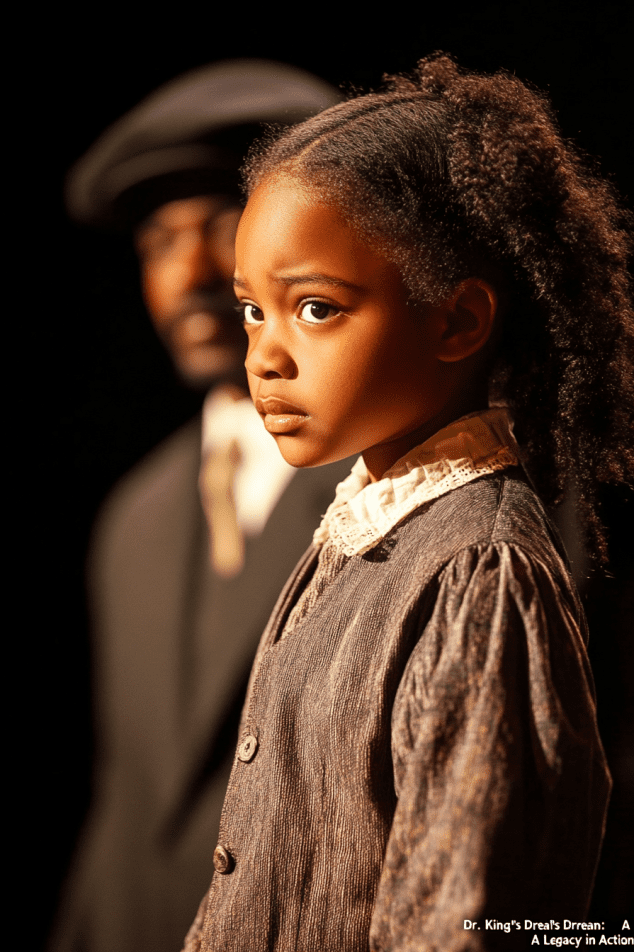
Description: This short play imagines a young girl dreaming about meeting Dr. Martin Luther King Jr.. In the dream, he guides her through key moments in his life, including the March on Washington. The skit blends actual events with fictional storytelling, ending with the little girl waking up inspired to make a difference.
Theme of the Work: Hope, activism, and intergenerational inspiration.
Duration: 10–12 minutes
Actors: 8–10 (Dr. King, little girl, marchers, narrators)
Description: This funny skit depicts a group of enslaved people using humor and faith to outwit an overseer while secretly planning their freedom. Through clever dialogue and comedic timing, the skit reminds audiences of the resilience and creativity of the oppressed. Pop-culture references are woven in to make it relatable for modern viewers.
Theme of the Work: The power of humor and faith in difficult times.
Duration: 8 minutes
Actors: 6–8 (enslaved individuals, overseer, and narrators)
9. “Abraham Lincoln and Sojourner Truth: A Conversation for Freedom”
Description: A fictional story where President Abraham Lincoln and Sojourner Truth discuss the Emancipation Proclamation. The skit explores their shared commitment to ending slavery and includes moments of humor, historical insight, and faith.
Theme of the Work: Leadership and faith in historical change.
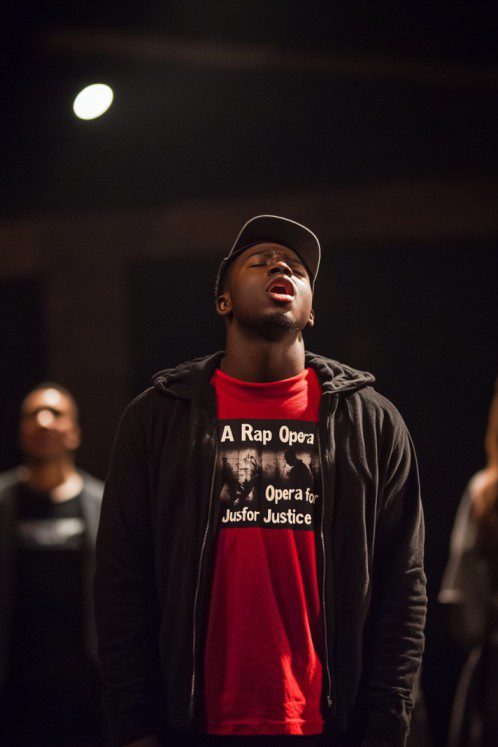
Description: A rap opera following the journey of a black man from the time of slave ships to the civil rights movement. This high-energy skit incorporates vocal music, short dialogues, and a powerful message about freedom and justice.
Theme of the Work: Empowerment through culture and history.
Duration: 12–15 minutes
Actors: 10–12 (black man, narrators, various people, singers)
Black History Month is a time to reflect on the resilience, faith, and contributions of African Americans who have shaped history and inspired generations. Through these 10 powerful church skits, your congregation, school, or community can experience the stories of heroes like Rosa Parks, Ruby Bridges, Dr. Martin Luther King Jr., and many others in an engaging and meaningful way.
These skits go beyond just performances; they are opportunities to spark conversations about faith, justice, and unity, while fostering a deeper appreciation for the rich history and culture of African Americans. Whether you’re incorporating them into a church worship service, a school assembly, or a ticketed event, these skits provide a creative way to honor the past while looking forward to a future of hope and progress.
By offering these skits in digital form and ensuring they’re adaptable for various time constraints and cast sizes, they’re accessible and practical for any group. From dramatic retellings of historical events to lighthearted and funny skits, these performances are sure to leave a lasting impact on your audience.
So, gather your cast, embrace the stories, and bring these narratives to life. Celebrate Black history with creativity, faith, and unity, and let the lessons of the past inspire a better future for all. Your next impactful performance starts here.
Black History Month is a great time for the church to celebrate God’s work through Black believers. You can highlight hymns, spirituals, and worship songs rooted in the Black church tradition, share testimonies from Black members, and preach on biblical justice and unity. Consider a special service that features Scriptures about God’s heart for all nations, plus short biographies of Black Christians, pastors, and missionaries. Most of all, let the month spark ongoing conversation, learning, and practical steps toward racial reconciliation.
What are good Black History questions to ask at church?
Helpful questions invite learning, not embarrassment. You might ask, “Which Black Christian leaders have shaped our faith today?” or “How did the Black church sustain hope during slavery and segregation?” Other questions include, “What injustices still affect our community, and how can we respond as followers of Jesus?” or “What can we learn from the faith, worship, and resilience of historically Black congregations?” These kinds of questions open doors for honoring stories, confessing sin, and growing together in Christlike love.
What does the Bible say that relates to Black History?
The Bible does not mention “Black History Month,” but it clearly teaches that all peoples are created in God’s image (Genesis 1:27) and that Christ is gathering a family from every tribe, tongue, and nation (Revelation 7:9). Many regions mentioned in Scripture—such as Egypt, Cush, and Ethiopia—are in Africa, reminding us that African peoples have always been part of God’s story. When we honor Black history in the church, we are celebrating God’s creativity, faithfulness, and justice across cultures.
What is an inspiring story to share during Black History Month?
There are countless inspiring stories. You might share about formerly enslaved believers who clung to Christ and birthed spirituals full of hope, or about Christian leaders in the civil rights movement who grounded their activism in Scripture and prayer. Stories of Black missionaries, pastors, and church mothers who built schools, cared for the poor, and planted congregations are powerful as well. Choose a story that highlights faith, perseverance, and forgiveness so listeners see how the gospel fueled courage and love.
How can we make Black History Month fun at church?
Fun and learning can go together. Host a multicultural potluck featuring recipes from the African diaspora, a game night with Black History trivia, or an art and poetry showcase by youth and adults. Create a “history wall” with photos and short bios of Black Christian heroes. Incorporate gospel music, responsive readings, and dramatic readings of sermons or speeches rooted in Scripture. As you celebrate, keep Christ at the center, emphasizing how God’s grace shines through each story and tradition.
What activities attract youth to church during Black History Month?
Youth often respond to interactive, creative events. Consider a service project tied to justice or community care, a panel where older members share stories about faith and race, or a film-and-discussion night featuring a movie that raises spiritual and historical questions. Let teens help plan worship sets that include gospel and contemporary songs. Give them roles as readers, actors, musicians, or interviewers. When youth are heard, involved, and shown how their culture and gifts matter to God, they are more eager to participate.
Who was the first Black person in the Bible?
The Bible does not label people by modern racial categories, so we cannot say with certainty who the “first Black person” was. However, Scripture mentions African regions and peoples very early—such as Cush and Egypt—and includes figures from those areas. Numbers 12 notes that Moses married a Cushite woman, and Acts 8 describes an Ethiopian official who believed in Jesus. Rather than focusing on who was “first,” it is better to recognize that people of African descent have been part of God’s story from the beginning.
What is a powerful quote from Black history for the church?
Find the right bundle for your church
Explore scripts for Christmas, Easter, youth groups and services throughout the year. Choose a bundle to see what’s included.
Many Black Christian leaders have spoken words that still stir the heart. One example is from Dr. Martin Luther King Jr.: “The church must be reminded that it is not the master or the servant of the state, but rather the conscience of the state.” Another is from Sojourner Truth: “I will not allow my life’s light to be determined by the darkness around me.” Quotes like these remind believers to stand for justice, rooted in the hope and holiness of Christ.
What word is said to appear 365 times in the Bible?
Many Christians note that the phrase “do not be afraid” (or “fear not”) appears roughly 365 times in Scripture—about one reminder for every day of the year. The exact count varies by translation, but the message is clear. From Genesis to Revelation, God repeatedly tells His people not to live in fear because He is with them. During Black History Month and beyond, this promise encourages believers facing racism, injustice, or uncertainty to keep trusting the God who never leaves them.
George Hendricks is the founder and managing editor of Godsverse.org. He has written and published over 200 skit reviews, church resource guides, and Bible study articles. With a background in data-driven content strategy and digital publishing, George built Godsverse into one of the most comprehensive collections of church skit reviews and printable scripts online. When he's not writing, he's researching what churches actually need and figuring out how to deliver it.















Love these scripts.