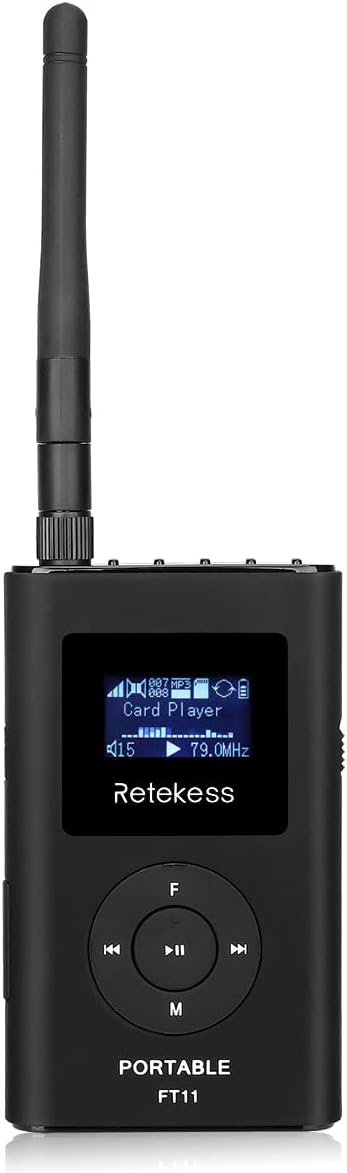
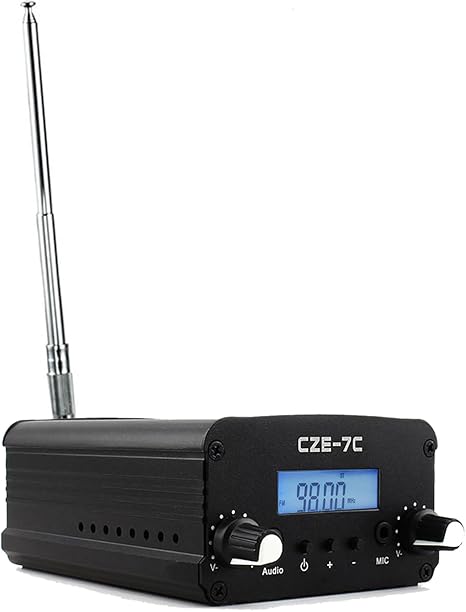
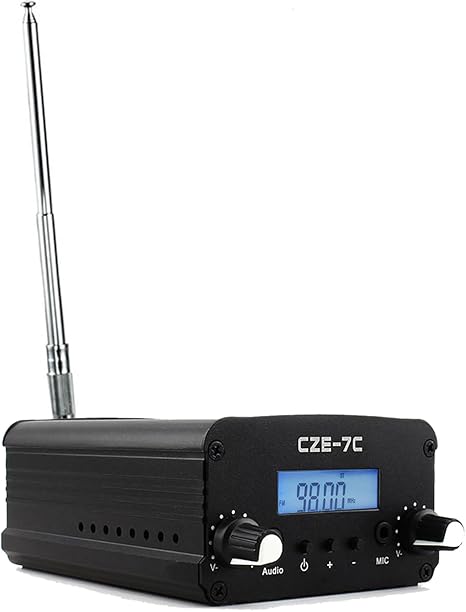
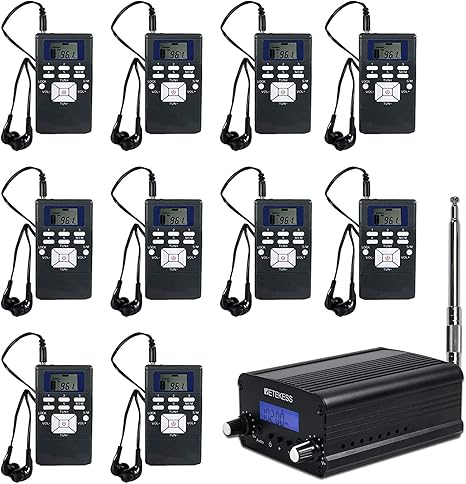
Affiliate Disclosure: Godsverse may earn a small commission when you purchase through links on this page — at no extra cost to you. We only recommend products we’d actually use in a church setting.
Your parking lot is full. The sanctuary is packed. The overflow room is breathing down your neck. Then someone remembers: we have an FM transmitter. Within 15 minutes, church members are tuning in on their car radios, hearing every word of worship.
FM transmitters aren’t just fancy toys. They solve real problems in churches. Drive-in services. Overflow rooms. Hearing-assistance for elderly members with hearing aids. Even the back of your property when you’re running two services.
An FM transmitter is one piece of a full church audio setup — for the bigger picture, see our complete church audio equipment guide. An FM transmitter extends your church sound system to anyone with a radio — great for overflow rooms and parking lot services. Some churches use FM transmitters as a budget alternative to in-ear monitors for vocalists and worship leaders. FM transmitters serve a similar purpose to live streaming — reaching people who aren’t in the room. For the digital version, check out our live streaming equipment guide.
Here are the six best FM transmitters we’ve found for church use.
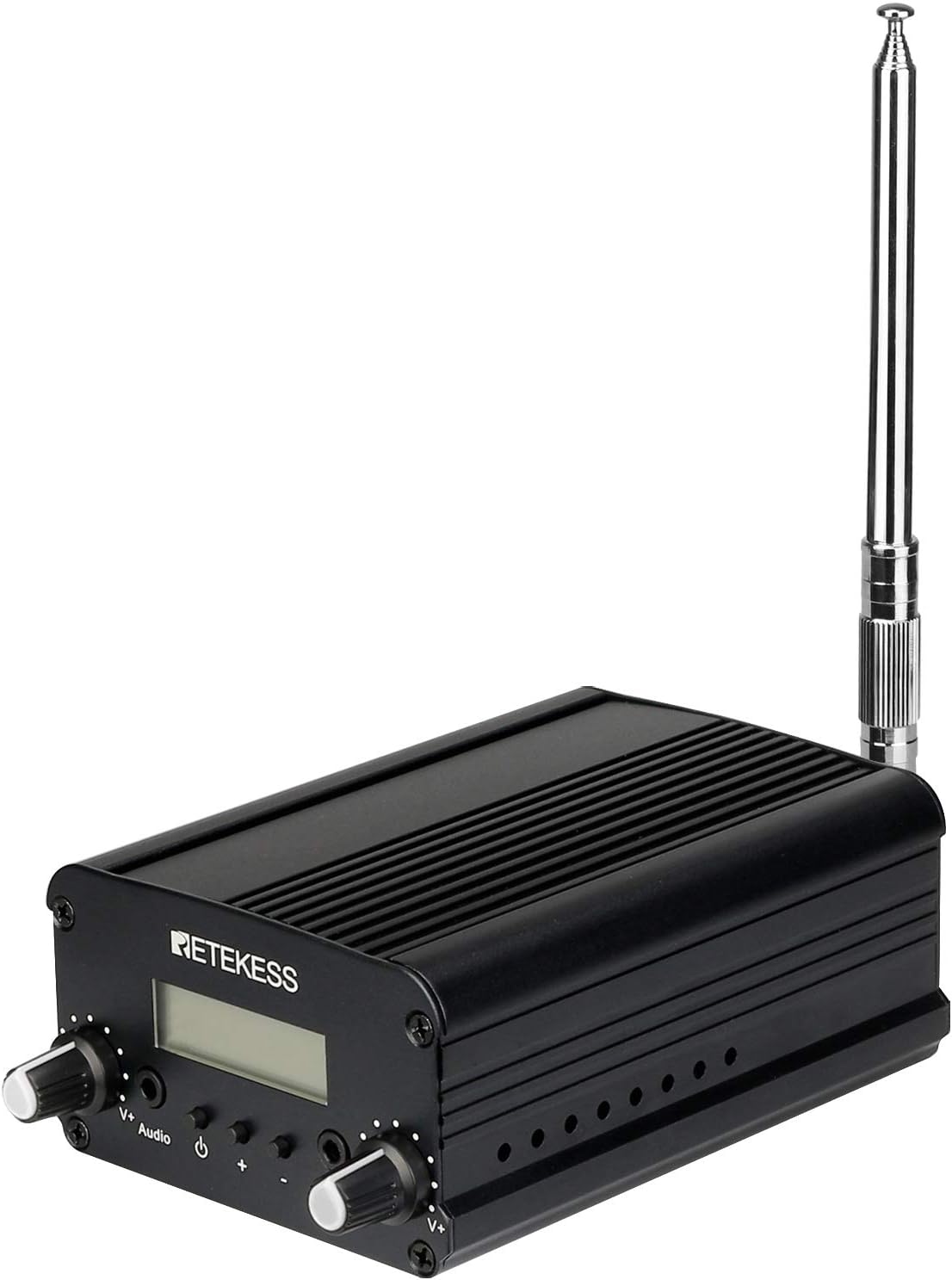
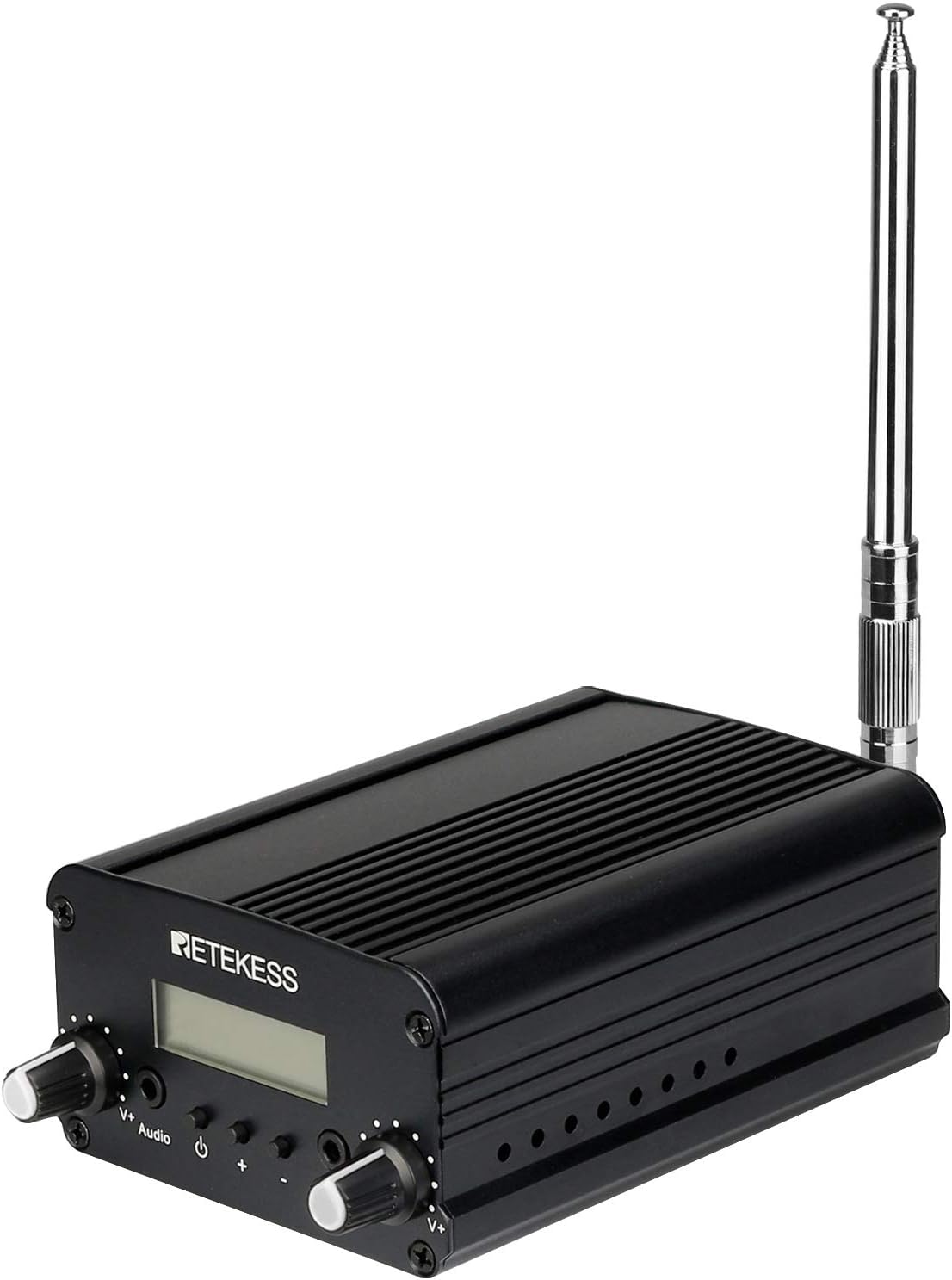
The TR509 is the one we recommend first. Professional PLL tuning system delivers outstanding frequency stability. Up to 15W output power (adjustable). Covers up to 1km outdoors, which handles most church parking lots. USB-C charging. Clean audio quality with clear signal reception. This best FM transmitter balances professional features with accessibility. Delivers reliable FM signal with excellent transmission quality for drive-in worship services and overflow rooms.
It’s what we’d set up on our first try. Not overkill. Not underpowered. Just right.
Pros: Professional tuning, exceptional range, USB-C, adjustable power, reliable FM stereo broadcast, audio fidelity
Cons: Not FCC certified, doesn’t include FM receiver units
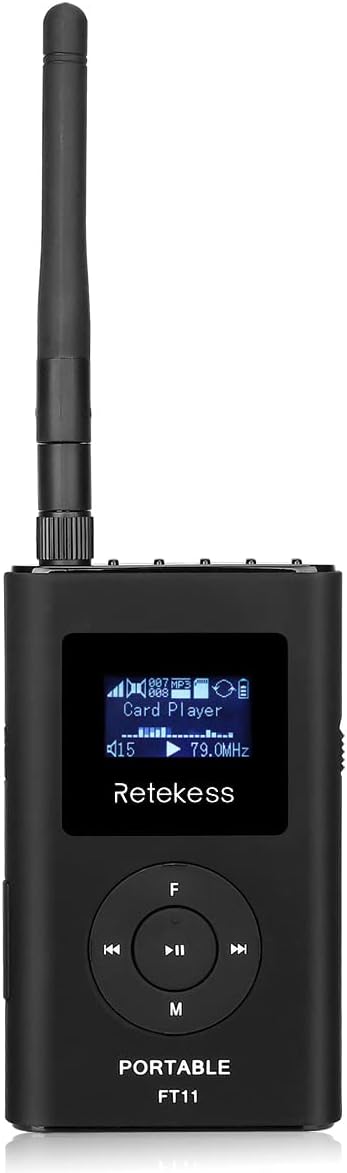
$79. That’s what makes this special. 15W output with eight adjustable power levels. Bluetooth, AUX, and USB inputs provide flexibility. 2–3km range handles most church parking lots. This FM broadcast transmitter works through any audio source — perfect for mixing worship leaders and church sound equipment. Features stereo audio output and excellent modulation level control for clean transmission. The stereo input allows dual channel capability for worship services with multiple audio sources.
For a startup church or a second transmitter, this is hard to beat.
The TR508 is FCC Part 15 certified — that legal fm transmitter status matters if your church worries about regulatory compliance. 15W output delivers strong signal strength. 300m indoor range ensures stable transmission in sanctuary spaces. Clean, stable signal with excellent frequency stability. This FCC compliant transmitter provides peace of mind for churches that prioritize legal compliance. The low power FM broadcast capability still covers hearing loops and overflow rooms effectively with minimal frequency drift.
For medium-sized churches that want peace of mind, this is the pick.
Pros: FCC certified, compact, stable transmission, legal power limit, frequency drift prevention
Cons: Smaller range than TR509, limited features, lower watt FM transmitter output
4. Avante International PBT15 — Best Professional Grade
Price: $199 | Rating: 4.7/5 (320+ reviews)
For larger churches or those running multiple services. 15W stereo output with professional audio quality. Professional-grade construction built for broadcast environments. Rack-mountable design integrates with church audio systems. This commercial FM station-grade equipment delivers high fidelity audio with pristine stereo signal separation. Features stereo pilot tone control and advanced modulation level management for professional transmission quality. The FM broadcast capabilities support full stereo separation and broadcast-range performance.
This is what your sound guy asks for.
Pros: Professional stereo output, rack-mount, professional build, long-term reliability, high audio fidelity, stereo separation
Cons: Higher price, requires more setup knowledge, commercial FM station complexity
5. Retekess TR509 Bundle + Receivers — Best Starter Kit
Price: $179 | Rating: 4.7/5 (450+ reviews)
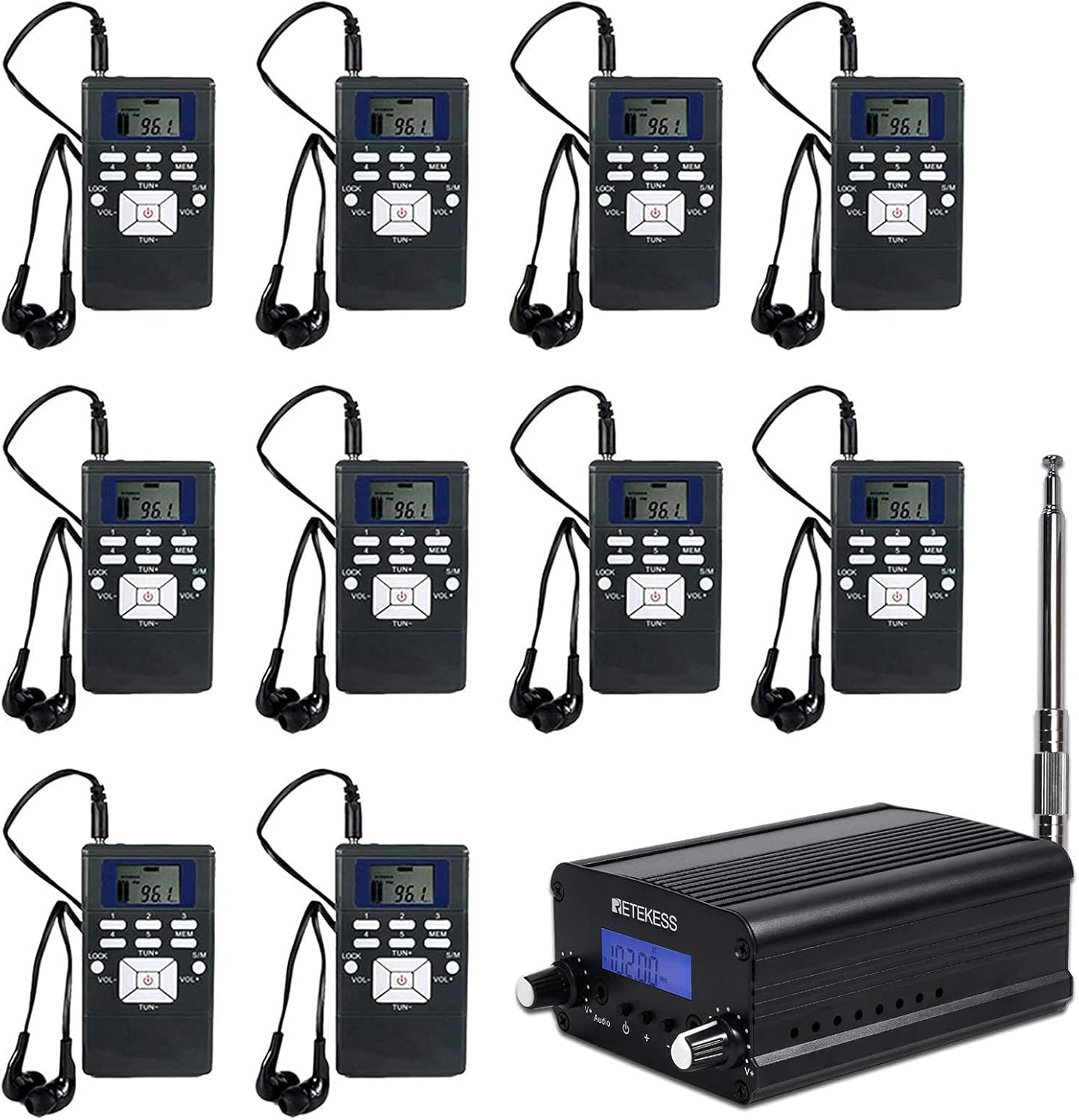
Everything in a box. The TR509 FM radio transmitter plus FM radio receivers included. Plug and play setup for immediate deployment. Drive-in worship ready within the hour. This complete FM transmitter kit removes the guesswork. Church members can tune directly to your FM broadcast frequency without hunting for compatible FM receiver models. The transmitter systems approach gives you everything needed to reach hearing-impaired listeners and overflow rooms.
No hunting for compatible receivers. No surprises.
Pros: Complete kit, includes FM receivers, immediate usability, great value, ready for church parking lot services
Cons: Receivers may not be top quality, less flexible later, basic hearing assistance setup
6. Whole House FM Transmitter — Best for Small Spaces
Price: $49 | Rating: 4.3/5 (420+ reviews)
Tiny churches. Side rooms. Nurseries. $49 gets you low-power broadcast capability. 150m range. Budget friendly. This low power FM transmitter works through basic audio cables and provides digital FM broadcasting at minimal cost. Perfect for hearing loops in small sanctuaries or overflow room coverage with auxiliary input. The compact design and simple FM modulator make it ideal for churches just beginning to explore broadcast services and hearing assistance tools.
Use this when you need coverage, not distance.
Pros: Affordable, compact, simple setup, low power FM ideal for small spaces, budget-friendly
Understanding How FM Transmitters Work in a Church Setting
An FM transmitter takes an audio source — typically a line-level signal from your soundboard — and broadcasts it over the FM band as a stereo system signal. The practical benefit is that any FM receiver (a standard car radio, pocket radio, or hearing loop receiver) can pick it up within the transmitter’s coverage area. The use of fm transmitters in churches is governed by FCC Part 15 rules, which cap legal maximum distance coverage for unlicensed devices. Understanding fcc compliance matters: transmitters that exceed legal power output can draw fines, so stick to low power fm transmitters certified under Part 15.
Most church-grade units accept multiple audio inputs — typically a stereo RCA or 3.5mm input from a mixer auxiliary output. A quality fm antenna (often a simple dipole or whip antenna) significantly extends range. The signal from a w transmitter (the “w” referring to its watt rating) is measured in milliwatts for Part 15 devices. Higher-quality units include digital processing to keep the FM stereo signal clean and stable across the fm band.
Understanding How FM Transmitters Work in a Church Setting
An FM transmitter takes an audio source — typically a line-level signal from your soundboard — and broadcasts it over the FM band as a stereo system signal. The practical benefit is that any FM receiver (a standard car radio, pocket radio, or hearing loop receiver) can pick it up within the transmitter’s coverage area. The use of fm transmitters in churches is governed by FCC Part 15 rules, which cap legal maximum distance coverage for unlicensed devices. Understanding fcc compliance matters: transmitters that exceed legal power output can draw fines, so stick to low power fm transmitters certified under Part 15.
Most church-grade units accept multiple audio inputs — typically a stereo RCA or 3.5mm input from a mixer auxiliary output. A quality fm antenna (often a simple dipole or whip antenna) significantly extends range. The signal from a w transmitter (the “w” referring to its watt rating) is measured in milliwatts for Part 15 devices. Higher-quality units include digital processing to keep the FM stereo signal clean and stable across the fm band.
Understanding How FM Transmitters Work in a Church Setting
An FM transmitter takes an audio source — typically a line-level signal from your soundboard — and broadcasts it over the FM band as a stereo system signal. The practical benefit is that any FM receiver (a standard car radio, pocket radio, or hearing loop receiver) can pick it up within the transmitter’s coverage area. The use of fm transmitters in churches is governed by FCC Part 15 rules, which cap legal maximum distance coverage for unlicensed devices. Understanding fcc compliance matters: transmitters that exceed legal power output can draw fines, so stick to low power fm transmitters certified under Part 15.
Most church-grade units accept multiple audio inputs — typically a stereo RCA or 3.5mm input from a mixer auxiliary output. A quality fm antenna (often a simple dipole or whip antenna) significantly extends range. The signal from a w transmitter (the “w” referring to its watt rating) is measured in milliwatts for Part 15 devices. Higher-quality units include digital processing to keep the FM stereo signal clean and stable across the fm band.
Buying Guide: What You Need to Know
How FM Transmitters Work: Understanding Radio Frequency Basics
An FM transmitter takes an audio signal and modulates it onto an FM band frequency. The audio signal from your church sound system gets converted into a radio frequency signal that broadcasts at a specific FM channel. Think of it like this: your audio source (worship service, announcements) becomes a radio signal that any FM receiver can pick up. The modulation level determines broadcast quality. Radio frequency transmission happens at the speed of light to all FM radios tuned to your chosen frequency. Understanding transmission quality and frequency drift helps you maintain clear audio. The digital FM transmitter technology in modern devices manages this automatically, but knowing the basics helps with placement and setup. Analog FM and FM stereo both follow the same radio frequency principles, though stereo requires more bandwidth and FM modulator sophistication. The FM band spans 88–108 MHz, and each channel is spaced 200 kHz apart for regulatory compliance.
Do I Need an FCC License?
Short answer: No, not for most church transmitters operating under the legal limit.
Most of these devices operate under FCC Part 15 regulations. That means they’re low-power, short-range devices that don’t need licensing. The legal power limit for Part 15 devices is very low. They also must accept any interference from other devices (like cell towers, nearby radio stations). If you want to broadcast at higher power or longer distance exceeding the legal limit, you’d need FCC Part 73, which requires a license and compliance with commercial FM station rules. But that’s not what churches typically do. Understanding FCC regulations and staying within the legal fm transmitter guidelines ensures hassle-free operation. Our recommended unlicensed FM models all comply with Part 15 regulations.
Where Should I Place the Transmitter?
Height and antenna gain matter. Placement matters more. Put your FM transmitter as high as you can. On the roof if possible. In a window. On a tall stand in the church parking lot. Higher antenna height = better transmission range. Consider antenna gain options for increased broadcast range. Avoid metal objects nearby — they absorb and reflect the radio frequency signal and cause frequency drift. The antenna placement and signal strength directly impact your transmission range and signal quality to FM receivers.
Can Church Members Use Their Own Radios?
Yes. That’s the point. Any FM radio will pick up your FM signal if it’s tuned to the right channel spacing frequency. Car radios work best for church parking lot services. Portable receivers cost just $15–30. Hearing-impaired members with t-coil compatible hearing aids can tune directly to your FM broadcast for hearing assistance — no special equipment needed. Even basic FM receivers deliver clear audio from your modulation signal.
What’s the Difference Between 15W and Lower Power?
15W is typical for these devices and represents the standard watt fm transmitter output. It covers most church parking lots and nearby buildings. Lower-power transmitters (under 5W) work for overflow rooms and small outdoor spaces. The transmission range varies with antenna height, terrain, and radio frequency interference. A 15 watt FM transmitter with good antenna placement can match a low power FM station’s effective range. Higher power means better signal strength at distance but also means more potential radio frequency interference concerns. Understanding your use case — worship services, hearing loops, rebroadcast services — helps you choose the right power level.
With the right setup, it’s almost like having your own radio station dedicated to your church’s overflow room or parking lot. Ease of use matters here because the person operating your FM transmitter is probably not an RF engineer. For assisted listening compliance, look for fcc certification. The low power range under Part 15 rules is typically 100 feet or less indoors, depending on antenna placement and building materials. Purpose-built church fm transmitters are designed around these real-world constraints.
Understanding the difference between a low-power device and a high power FM transmitter matters for compliance and reach. Under FCC Part 15 rules, most church applications call for low-power operation — but within that range, some units deliver noticeably better range and professional sound quality than others. For overflow rooms and parking lot services, you’re essentially creating a traditional radio broadcast experience: someone tunes to your frequency and hears the service clearly, with no app, no Wi-Fi, and no technical hurdles for the listener.
On the technical side, most church-grade FM transmitters offer multiple power modes — allowing you to scale output based on your coverage needs and FCC compliance requirements. The limited range of Part 15 devices is a feature as much as a constraint: it keeps your signal from bleeding beyond your property line. For cleaner audio, look for units with audio pre-emphasis and a built-in low-pass filter circuit, which smooth out high-frequency distortion that can make fm broadcasts sound harsh. A proper frequency response curve — flat from 50Hz to 15kHz — ensures your transmitter handles both spoken word and worship music faithfully.
Beyond the core transmitter, consider your input options. RCA inputs are the standard on most church units, compatible with soundboard outputs and mp3 players. An LCD display makes it easy for a volunteer to confirm frequency and signal strength without diving into menus. For mobile devices used as audio sources, a 3.5mm aux input handles digital signals cleanly. In a w mode (wideband) configuration, some transmitters increase effective power while staying within legal bounds. The goal for most churches is an excellent sound quality that rivals complete radio stations — but within the scale and affordable pricing that fit church budgets.
For parking lot coverage specifically, placement matters as much as the transmitter itself. A compact form factor unit positioned near a window or on an exterior wall extends reach into the specific area where cars are parked. The most powerful fm transmitter in the Part 15 category typically covers 200-300 feet in ideal conditions — less through concrete. During Sunday services and special events, you want the signal reliable enough that someone who arrived late and is listening from their car doesn’t miss a word. Compact solutions with simple setup mean even volunteer tech staff can manage sound systems integration without engineering knowledge.
Frequently Asked Questions
Can I use an FM transmitter indoors?
Yes, but transmission range drops significantly. Indoor walls absorb the signal and cause frequency drift. For overflow rooms, a lower-power transmitter like the Whole House works fine — walls actually help contain the signal. For larger indoor spaces in a church, stick with the TR509 or TR508 for better FM signal penetration. The FM band signals travel farther outdoors, but good antenna height placement even indoors improves signal strength considerably.
What’s the actual transmission range of these transmitters?
Outdoors in open space: 1km or more with good antenna height. Urban environments with buildings: 300–500m due to radio frequency obstruction. Indoors: 50–150m depending on walls and building materials. Range of transmission varies significantly based on antenna gain, frequency selection on the FM band, and signal strength requirements. The broadcast range specification assumes optimal conditions. Real-world transmission quality may vary. Consider your specific church parking lot and overflow room dimensions when choosing a model.
Do I need a separate audio cable?
Most FM transmitter systems come with audio cables. Check the product listing. If not, buy a standard 3.5mm auxiliary input cable ($5–10). Ensure your audio source connects properly to the transmitter’s input for clean audio signal.
Can I broadcast in stereo?
Most of these models deliver mono audio. The Avante PBT15 broadcasts in stereo with full FM stereo separation and stereo output capability, but you pay for it ($199). For most churches, mono is fine and uses less power. However, FM stereo broadcasting with stereo audio quality delivers superior audio fidelity if you have the budget. Stereo separation requires more modulation level control and sophisticated equipment.
What frequency should I use?
Pick a frequency that’s not being used in your area and respects channel spacing regulations. Most transmitters let you tune anywhere from 88–108 MHz on the FM band. Check your local FM radio dial and pick an empty spot. 90.5, 91.3, or 92.1 often work. Frequency stability is important — avoid channels occupied by commercial FM stations or strong local broadcasts. Your transmitter’s frequency stability settings help prevent frequency drift during extended worship services or live services.
Can I use this for hearing assistance?
Absolutely. Many churches use FM transmitters for hearing loops — a critical accessibility feature. Church members with hearing aids and t-coil compatible hearing devices can tune directly to your FM channel and hear the service clearly. It’s one of the best accessibility tools you can offer hearing-impaired church members. FM rebroadcast services specifically designed for hearing assistance help elderly members or those with hearing loss fully participate in worship. This is an excellent use of FM transmitter technology in worship settings. Church members with hearing aids equipped with t-coil can benefit greatly from your hearing-impaired assistance broadcast. The clarity and audio fidelity make FM ideal for hearing assistance compared to other solutions.
Should I choose digital FM transmitter or analog FM models?
Both work well for churches. Digital FM transmitter models offer better frequency stability and lower distortion. Analog FM transmitter designs are simpler and more affordable. For most worship services and church applications, either works — the best FM transmitter is the one that fits your budget and meets your transmission needs. Modern digital models provide superior audio fidelity and less frequency drift.
How often should I perform maintenance?
Monthly check: Verify your transmitted signal is still on frequency and clear audio reaches your test receiver. Clean the FM transmitter exterior monthly. Check antenna connections quarterly. That’s it. These are solid devices. FCC regulations require proper maintenance logs for licensed stations, but Part 15 unlicensed transmitters need minimal attention.
George Hendricks is the founder and managing editor of Godsverse.org. He has written and published over 200 skit reviews, church resource guides, and Bible study articles. With a background in data-driven content strategy and digital publishing, George built Godsverse into one of the most comprehensive collections of church skit reviews and printable scripts online. When he's not writing, he's researching what churches actually need and figuring out how to deliver it.